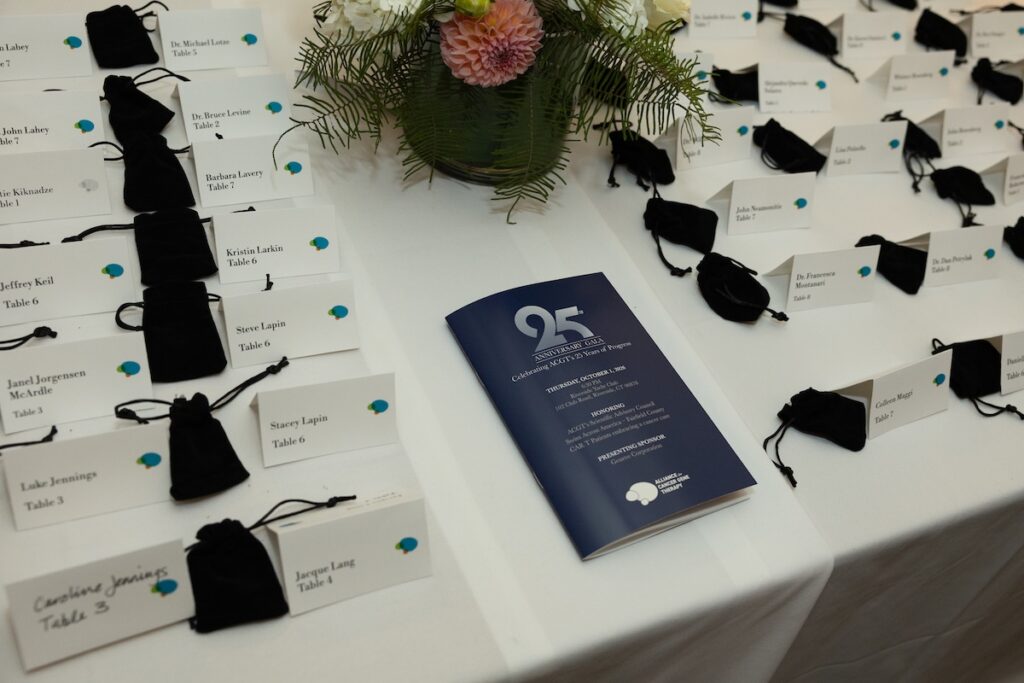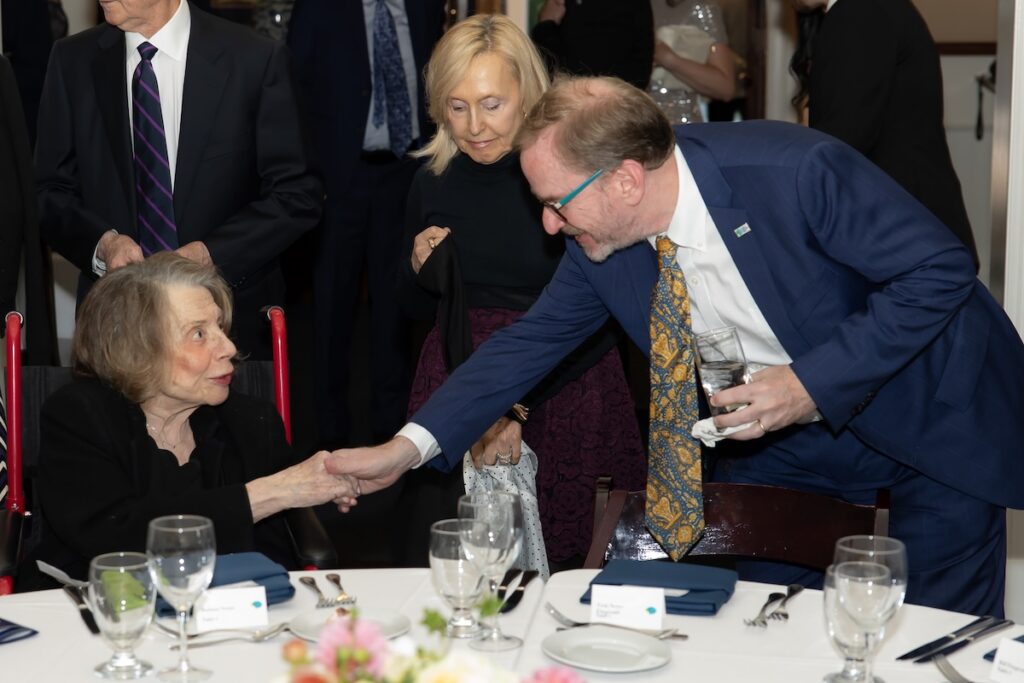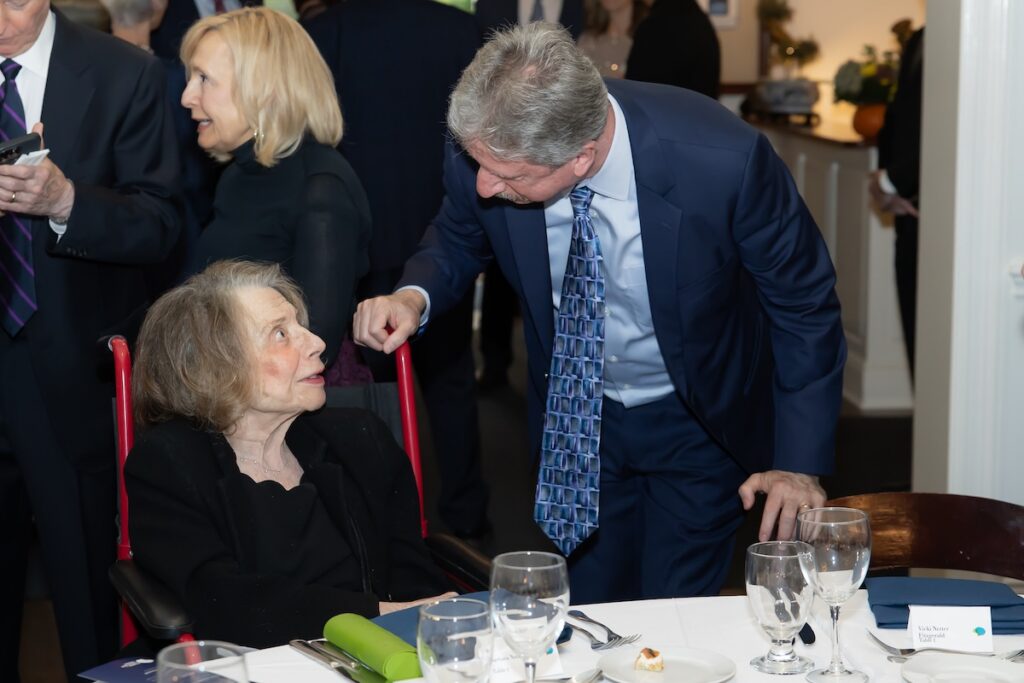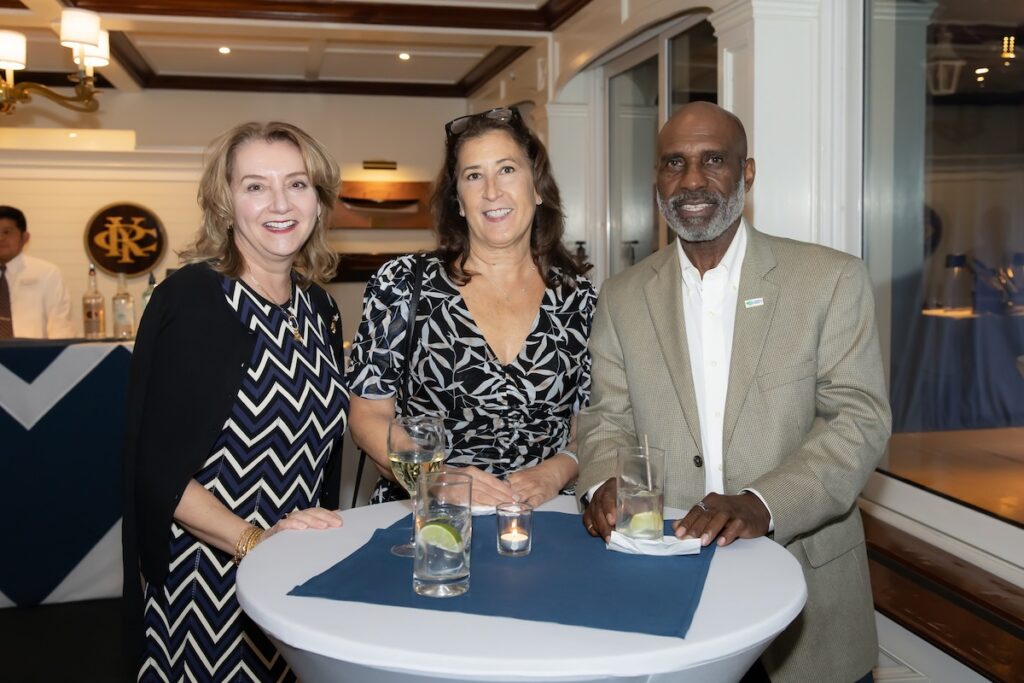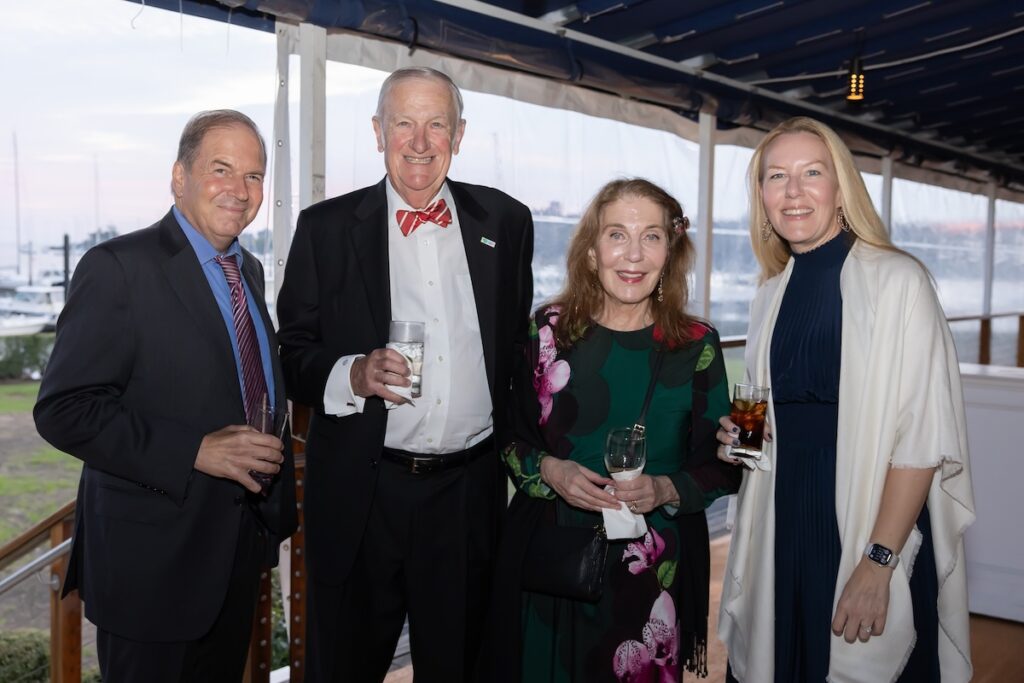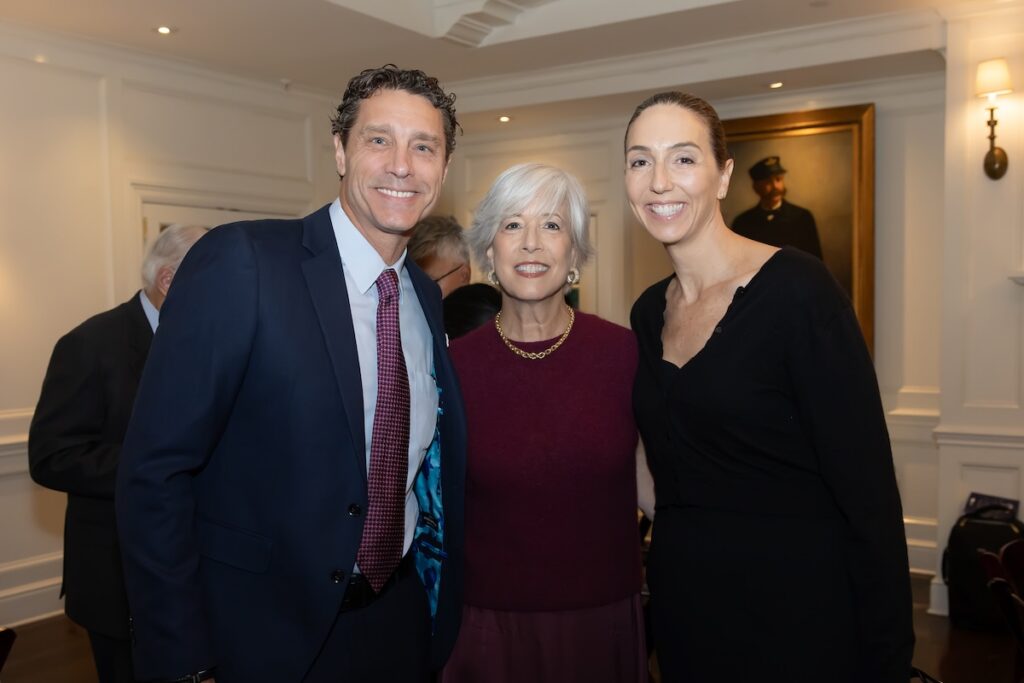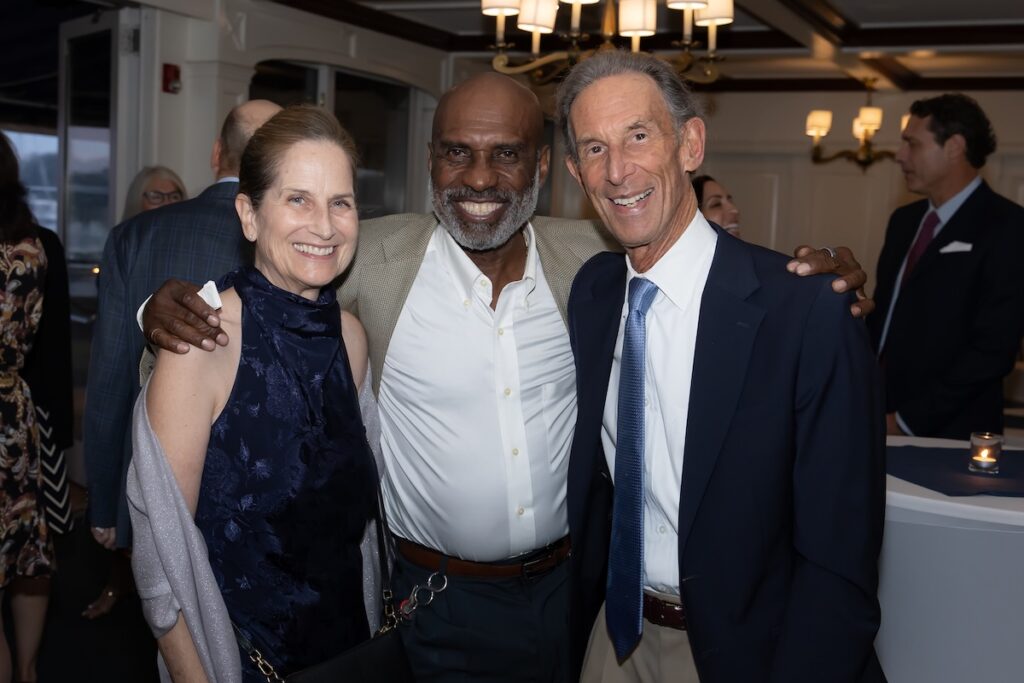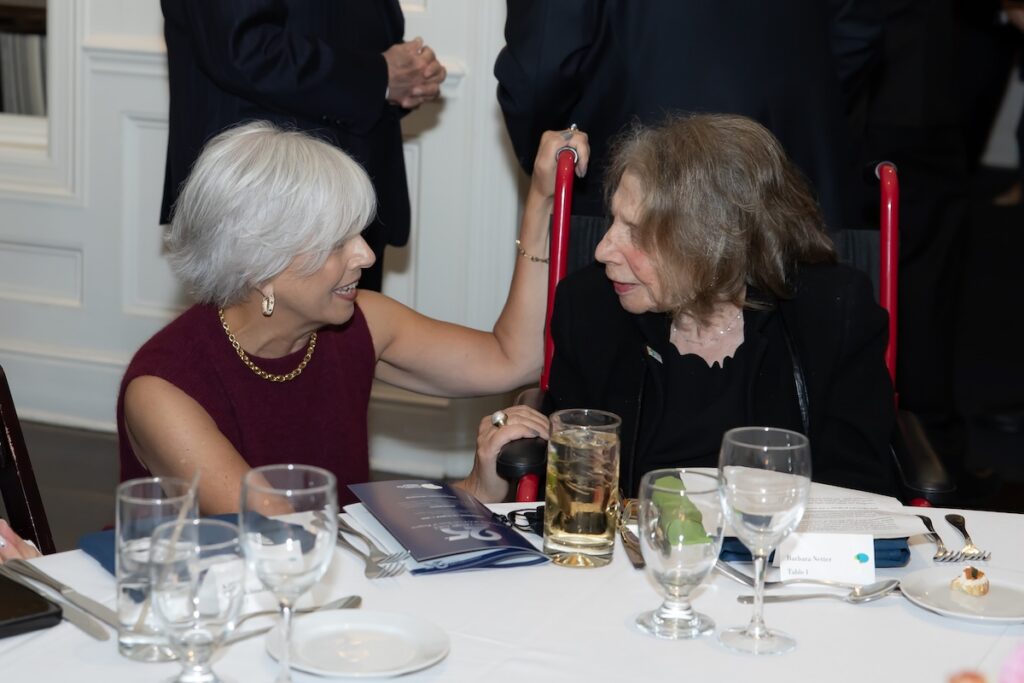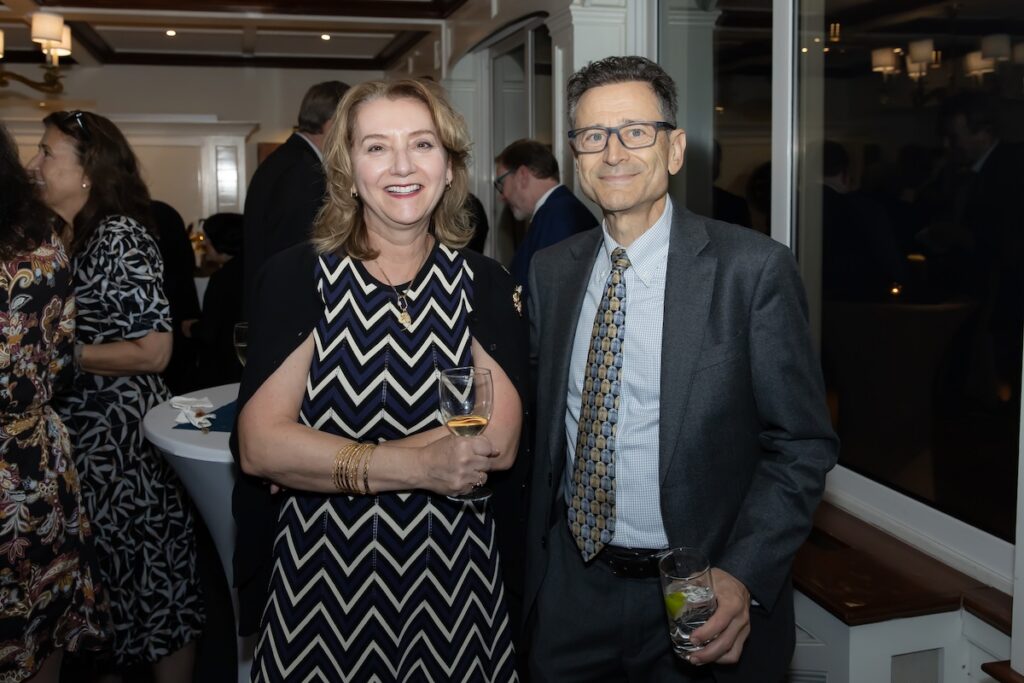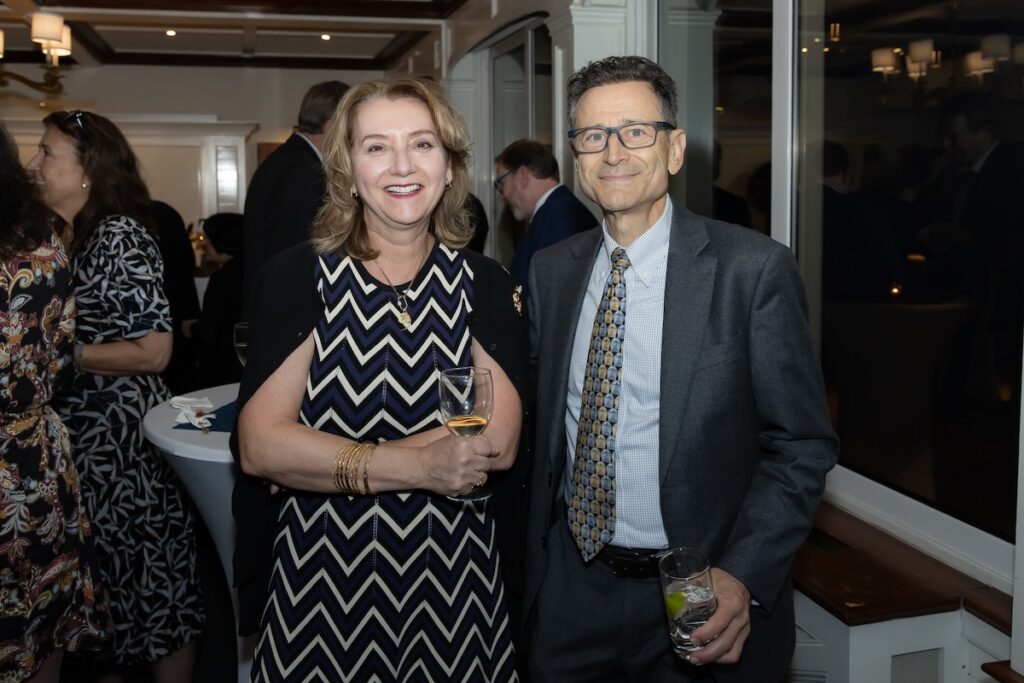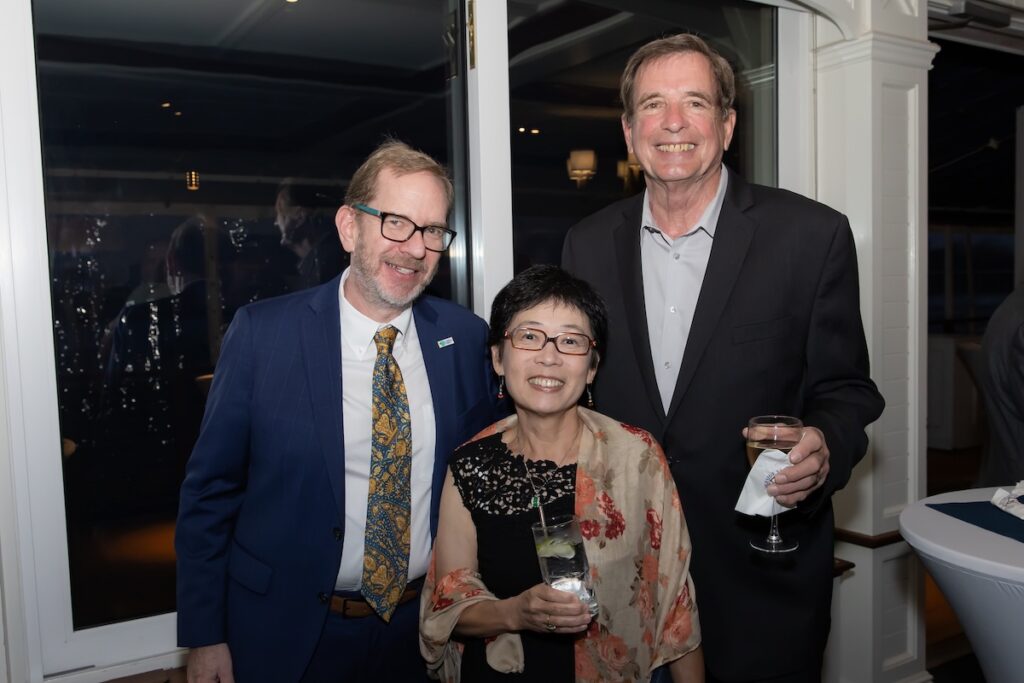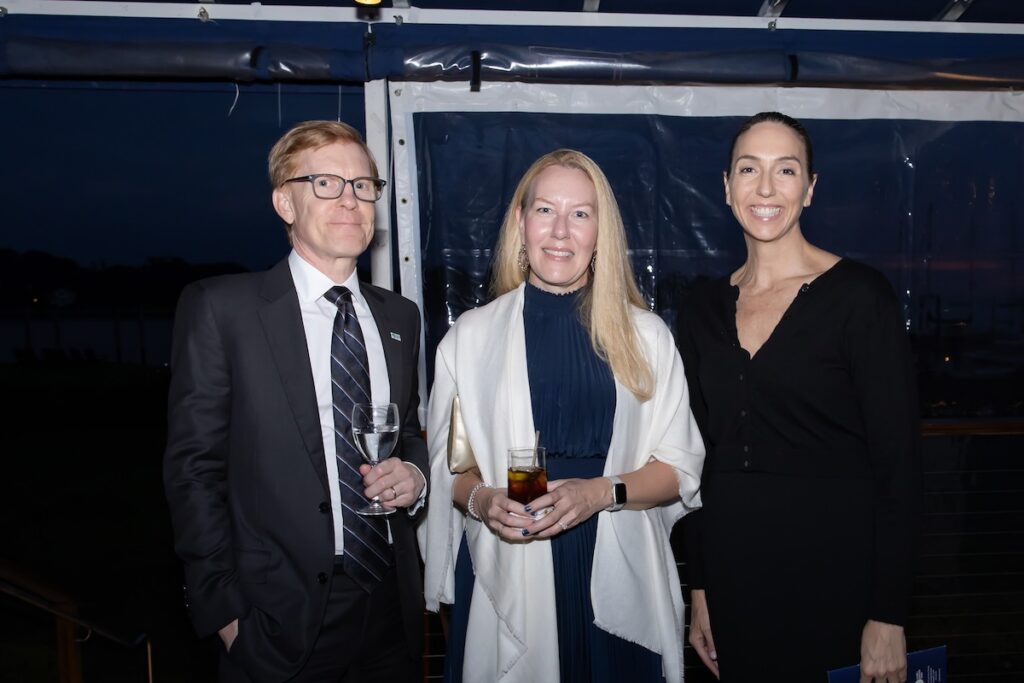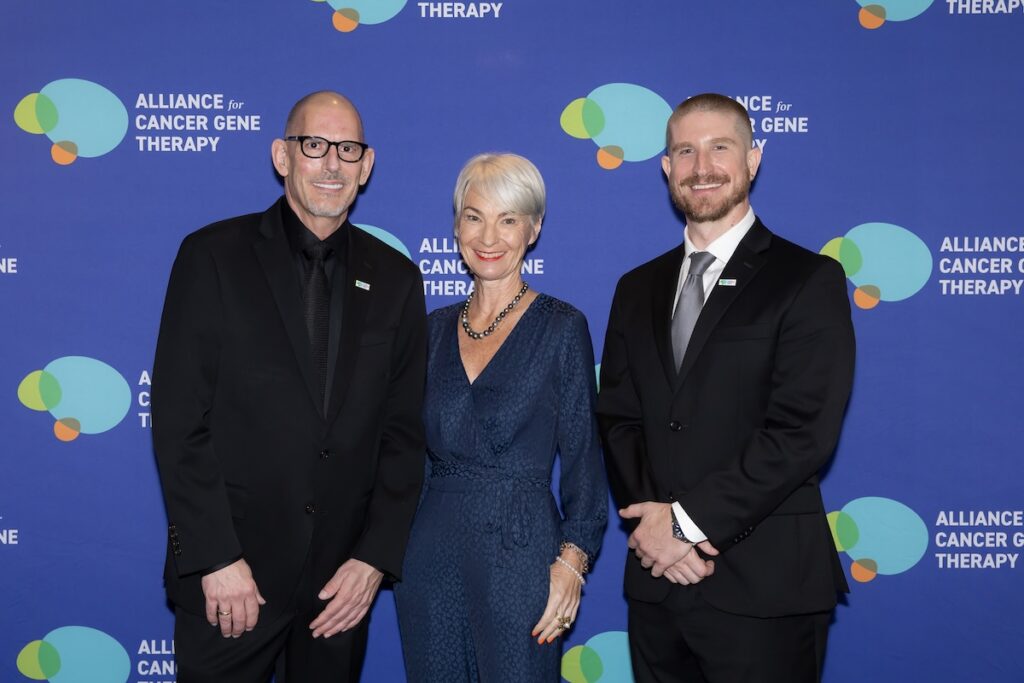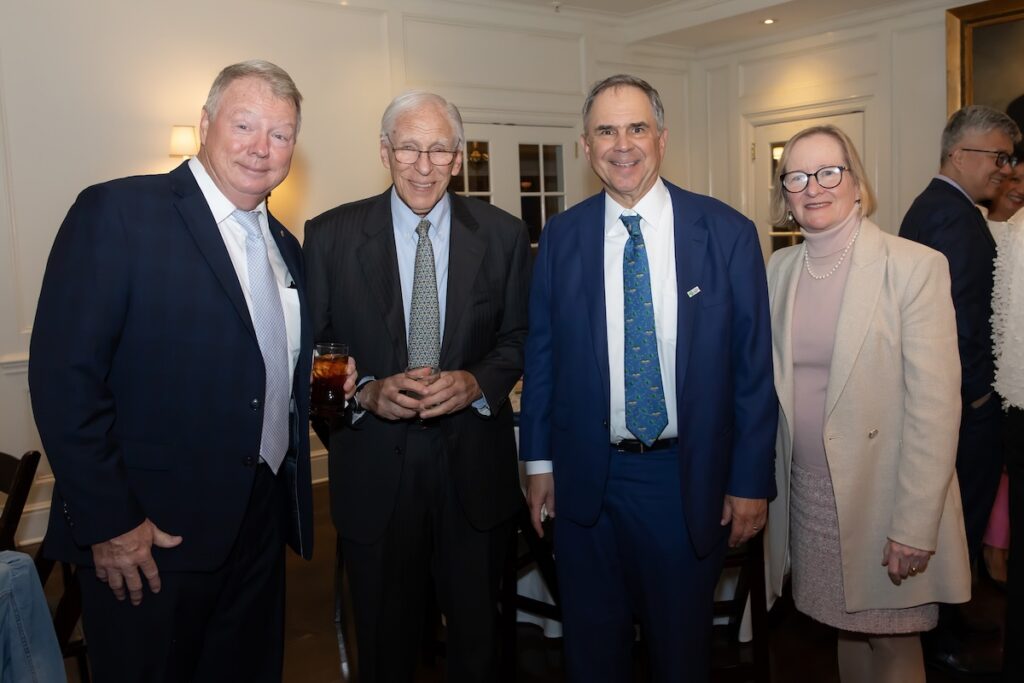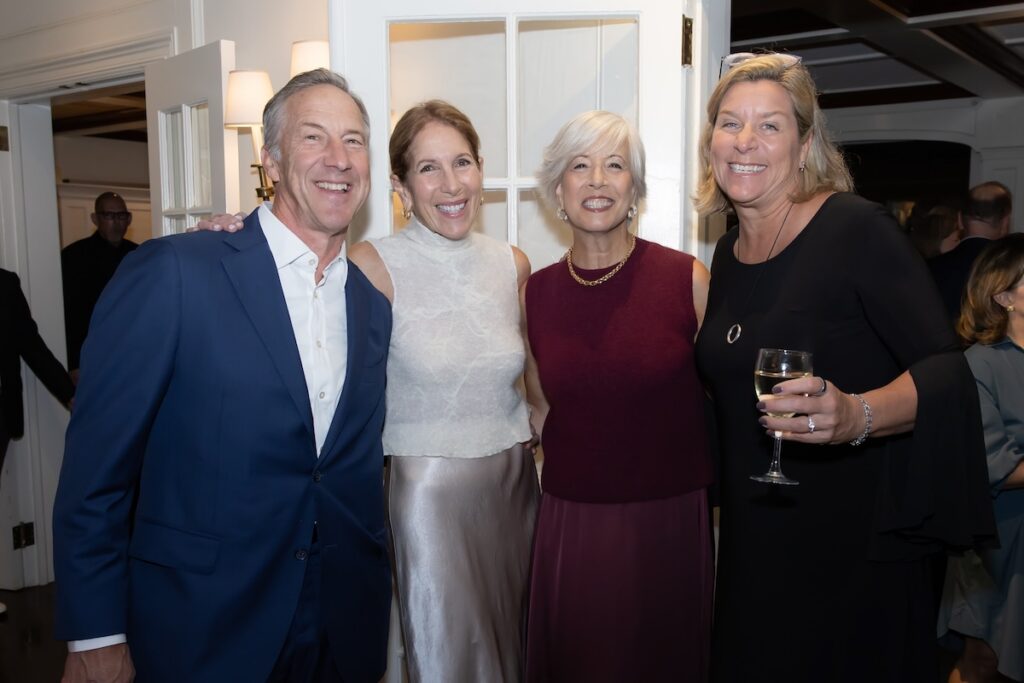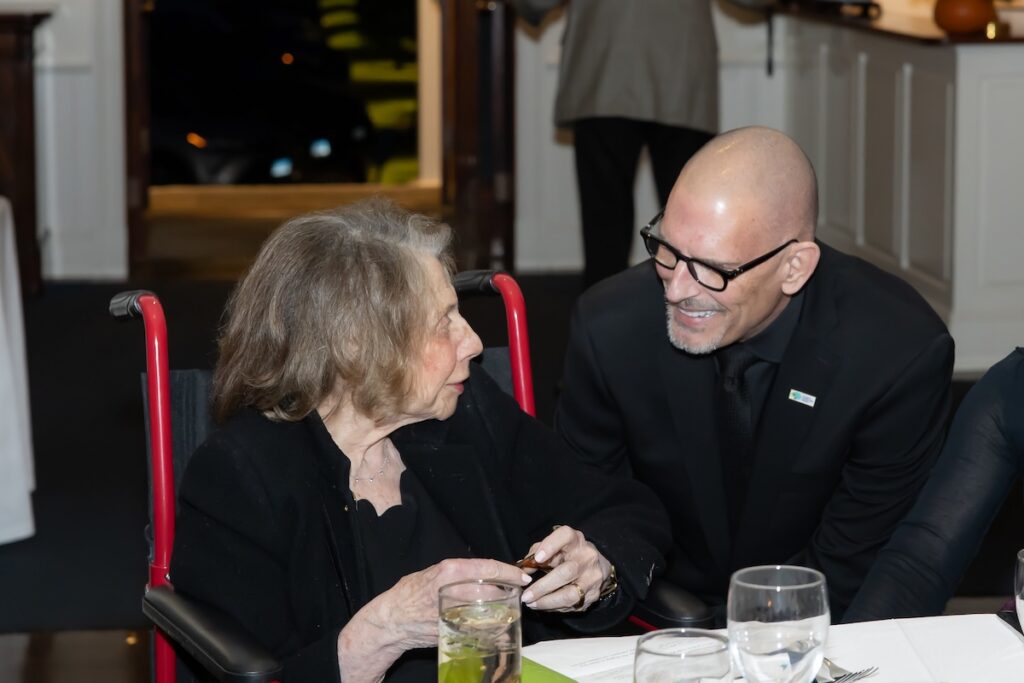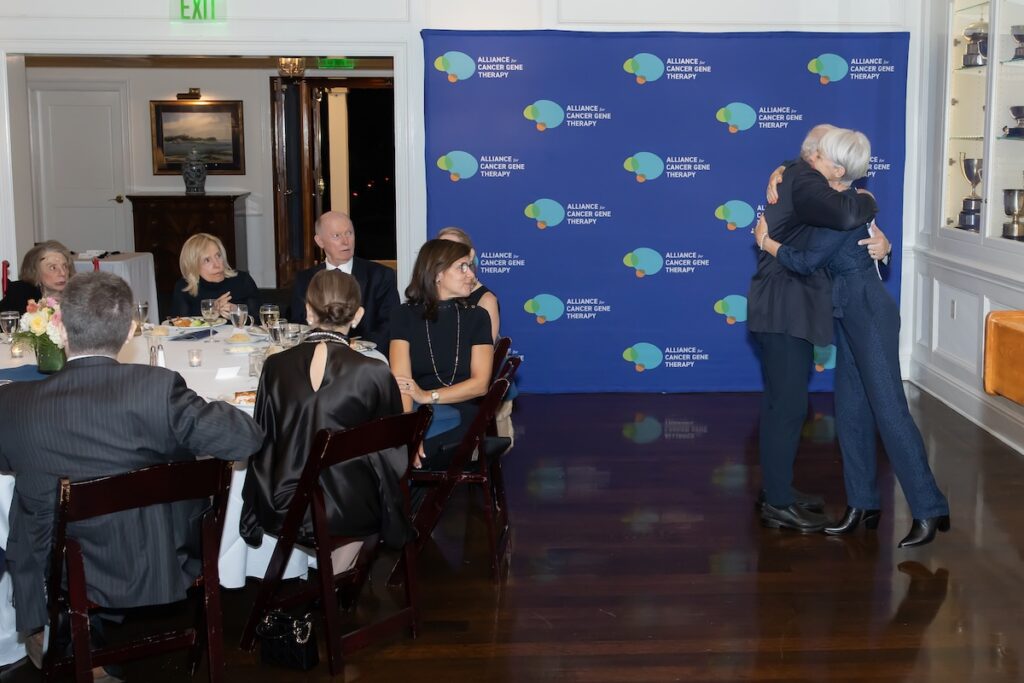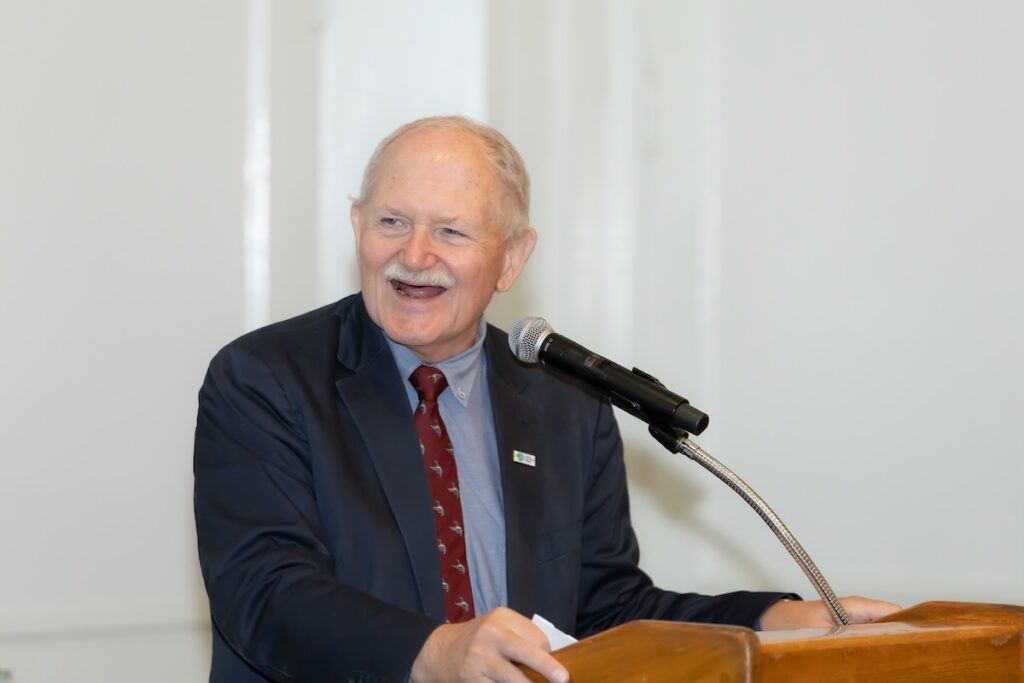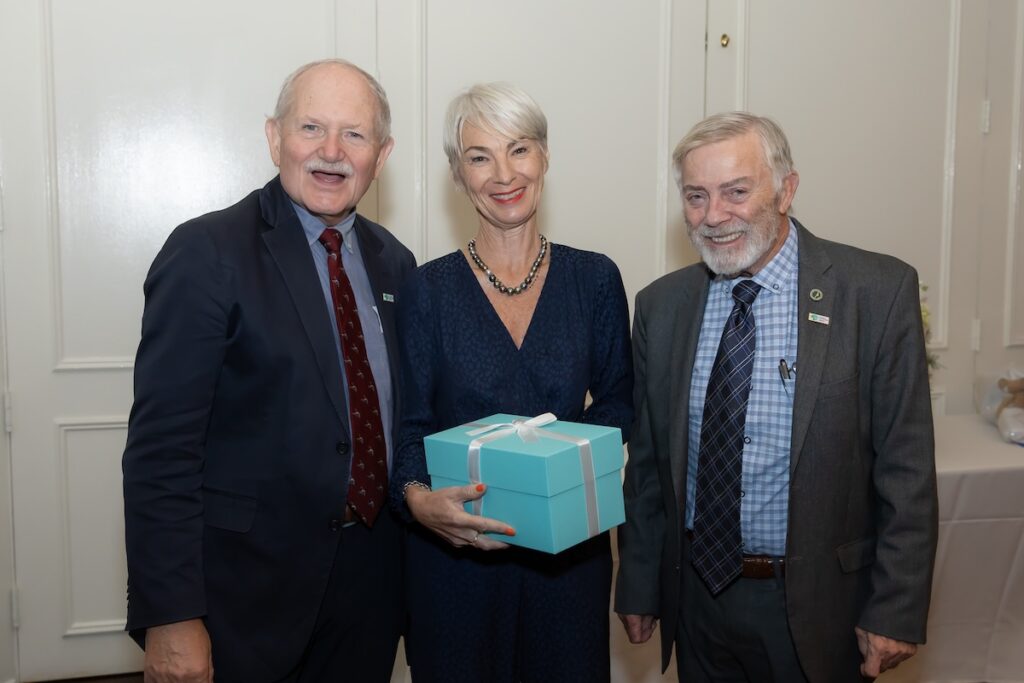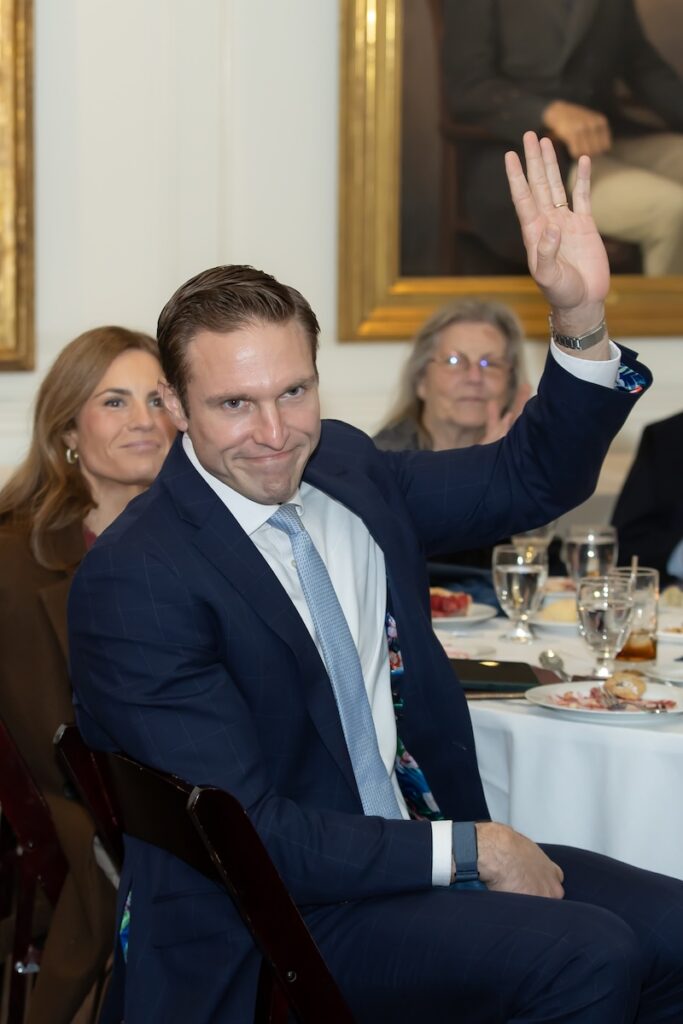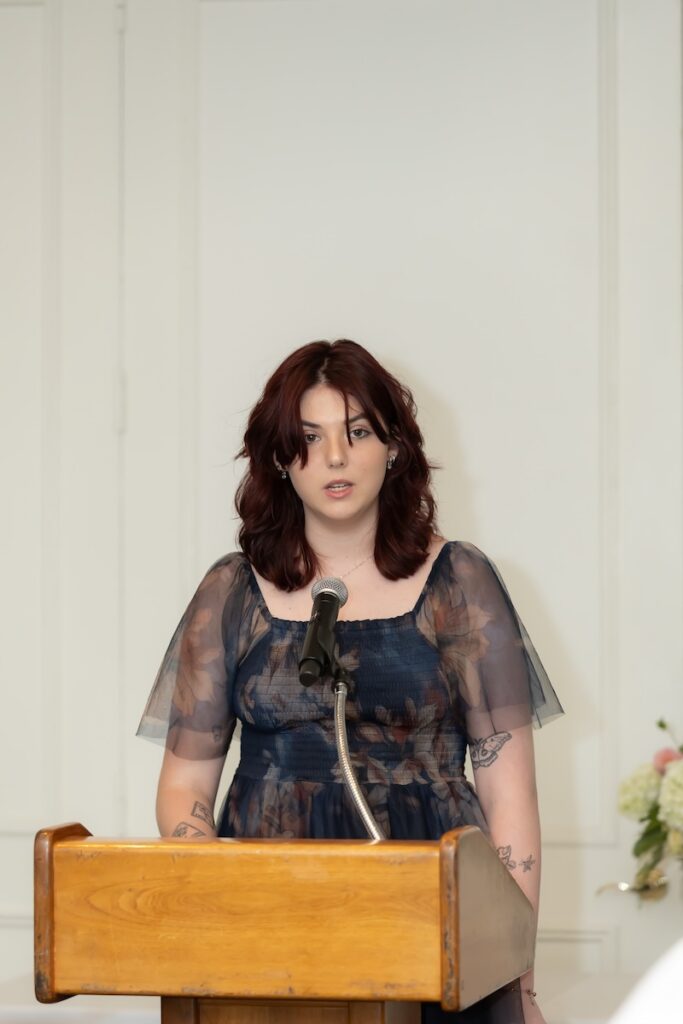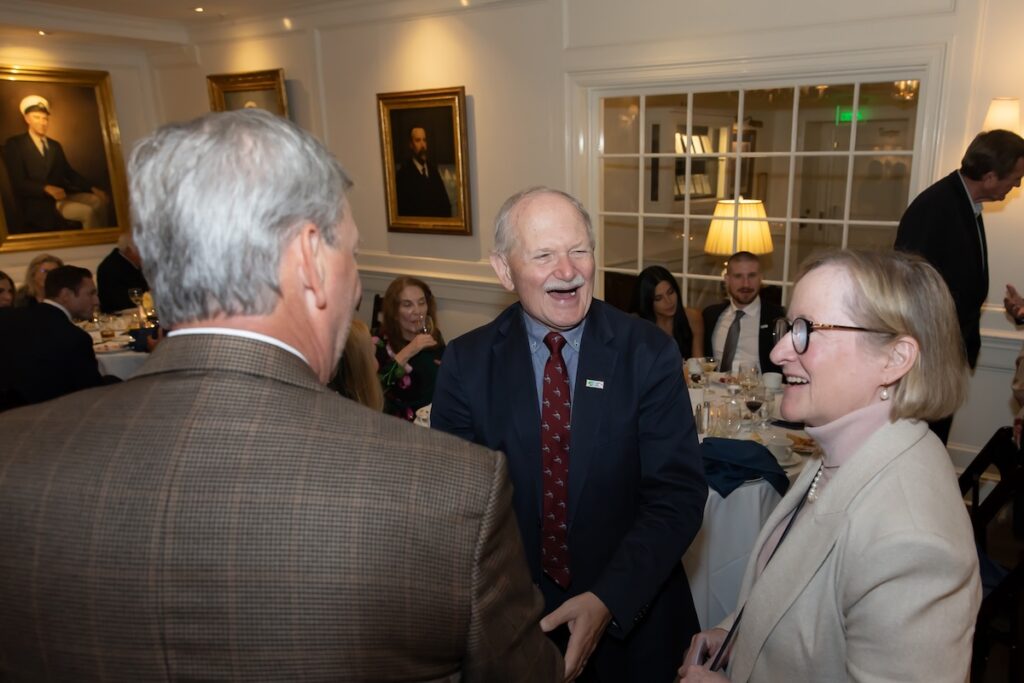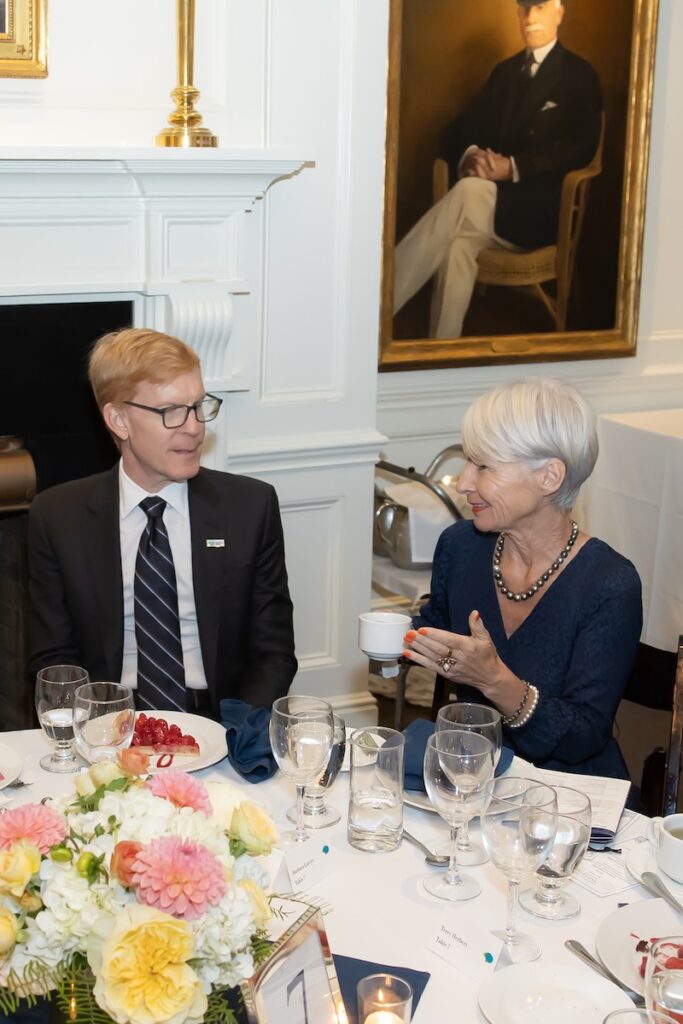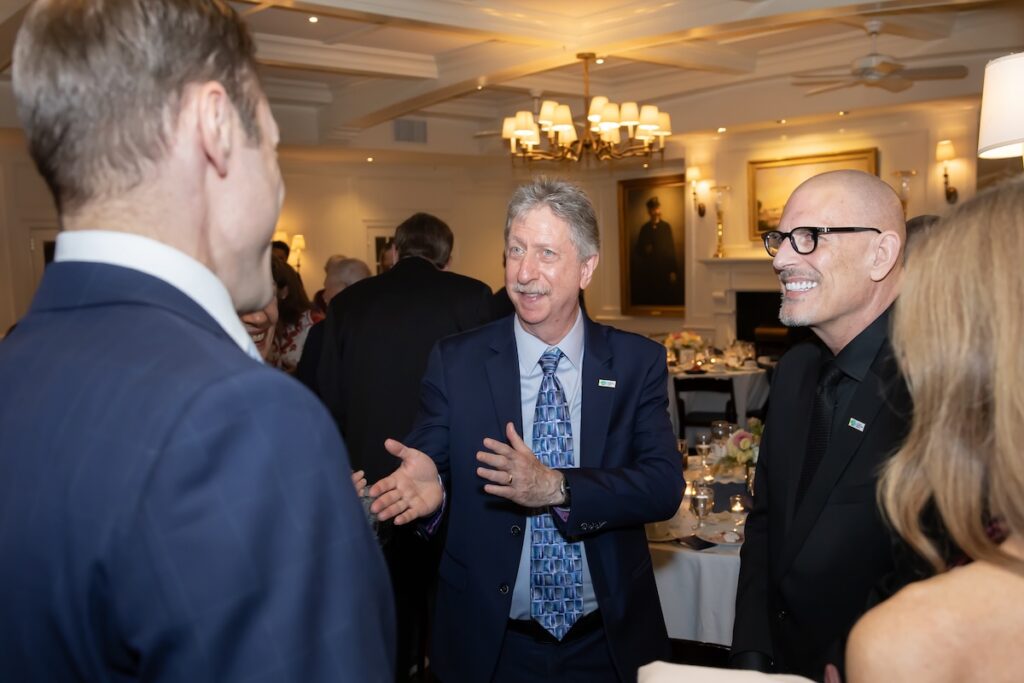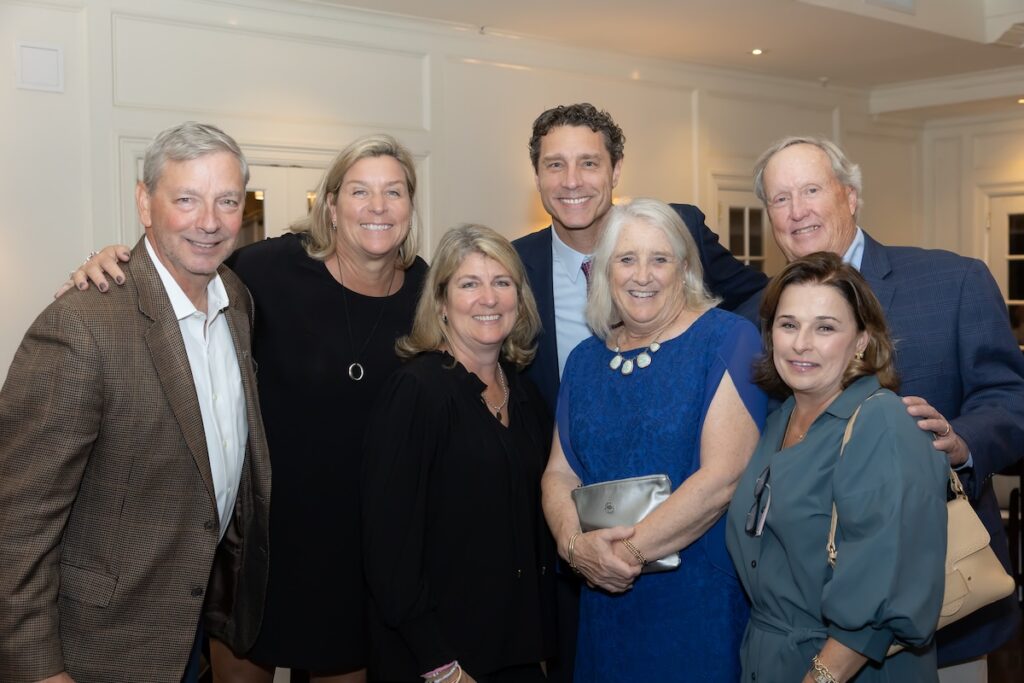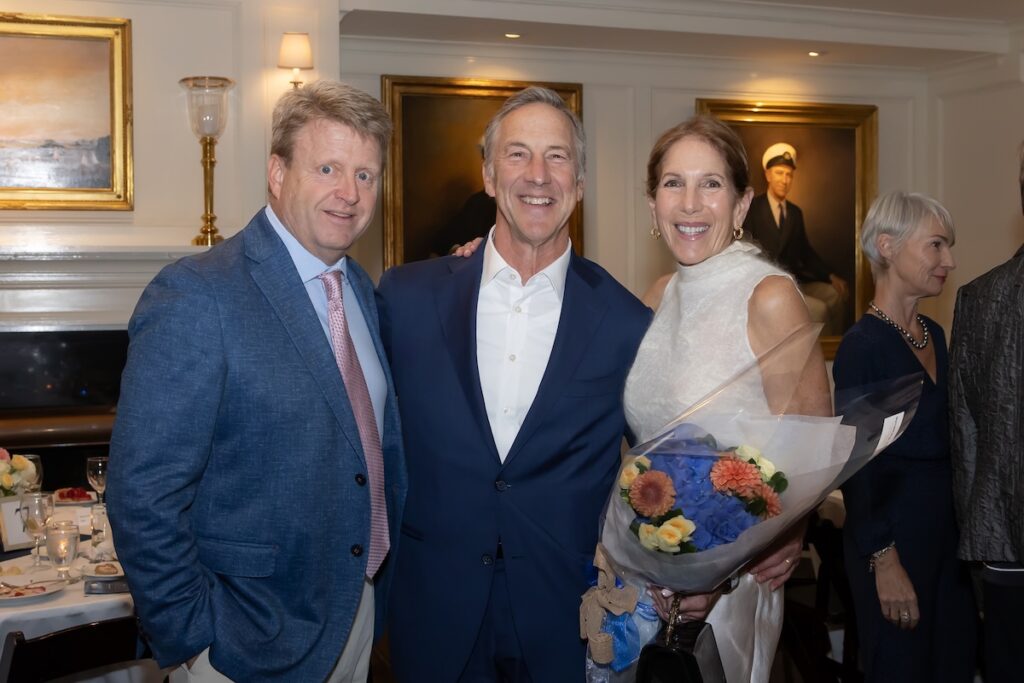

On Thursday, October 1, 2026, Alliance for Cancer Gene Therapy (ACGT) marked 25 years of championing cancer cell and gene therapy research at the Riverside Yacht Club in Greenwich, Connecticut, surrounded by the researchers, donors, and patients who have made those years so meaningful.
The evening centered on the Edward Netter Leadership Award, presented to three special groups of honorees: the ACGT Scientific Advisory Council, Swim Across America – Fairfield County, and CAR T-cell therapy patients. Taken together, according to ACGT President and CEO Kevin Honeycutt, these groups “tell the whole story of this field”—a field once deemed too risky to fund but now one saving lives, with tens of thousands of patients now treated with CAR T-cell therapy.
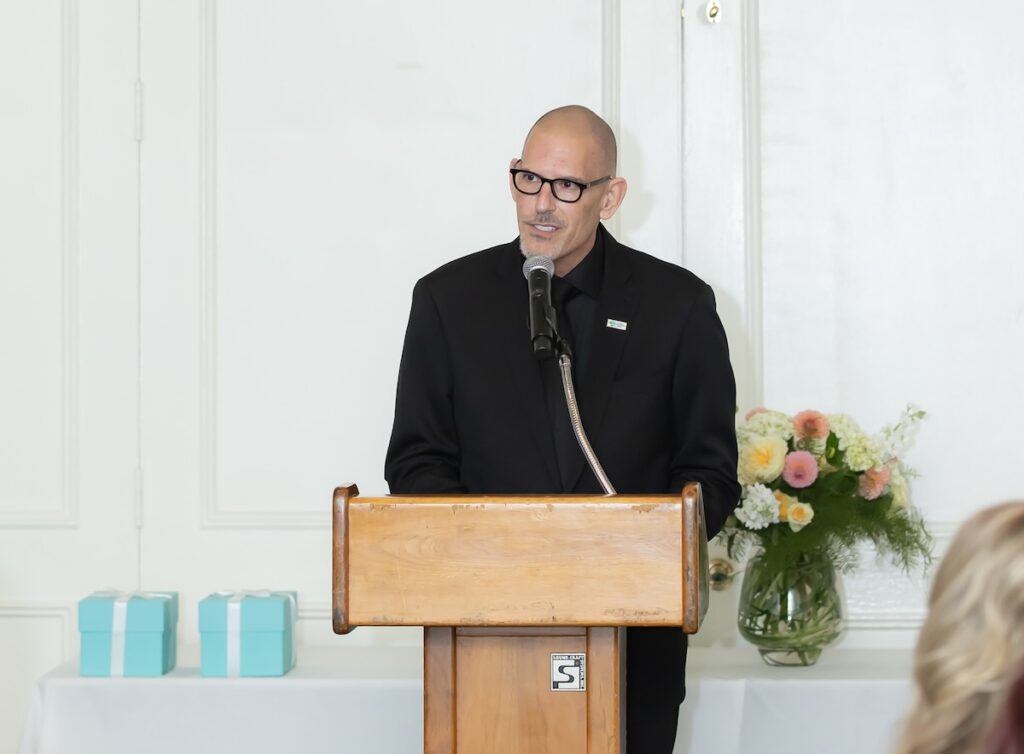
“Scientists. Supporters. Survivors,” Honeycutt emphasized. “That is the chain—and nearly everyone in this room is a link in it.”
Where ACGT began.
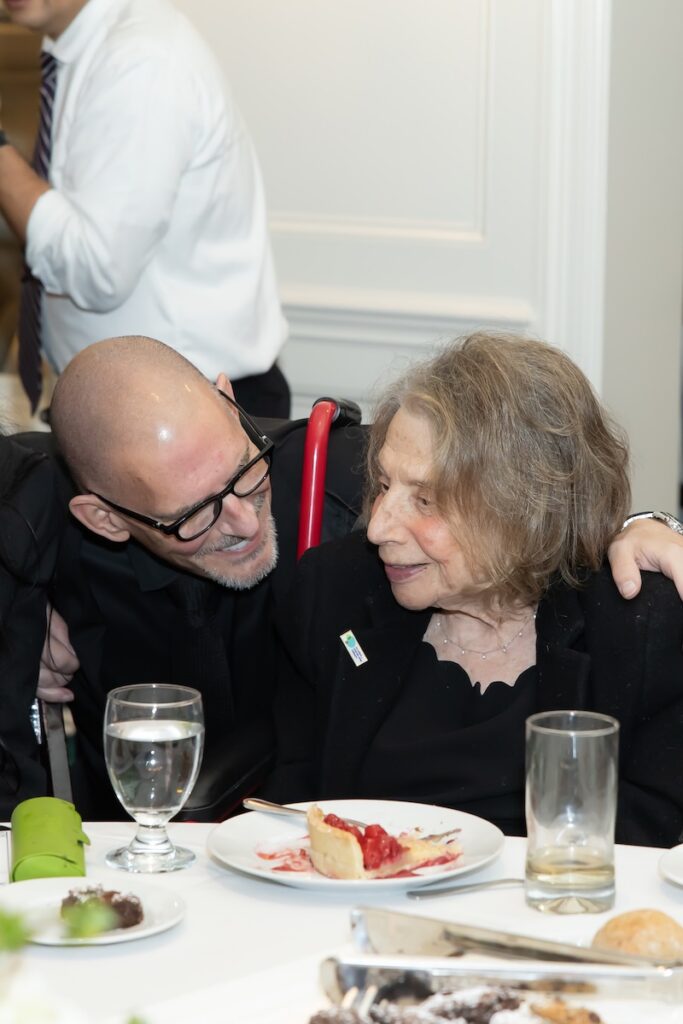
The story of ACGT begins with Barbara and Edward Netter. After their daughter-in-law Kimberly died of breast cancer, Edward attended a 2001 lecture on cancer gene therapy by Dr. Savio Woo and came home captivated. The Netters founded ACGT at a time when, as Honeycutt noted, “gene therapy was in retreat.” Edward, an actuary by training, “spent his career in an industry devoted to avoiding risk, and then spent his philanthropy taking some of the smartest risks I know of.” Tragically, he died of pancreatic cancer in 2011, just months before the groundbreaking clinical results from ACGT-funded scientists Carl H. June, MD, and Michel Sadelain, MD, PhD, were announced. Edward’s legacy lives on, especially among the patients whose lives were saved by the CAR T-cell therapy he and Barbara helped make a reality.
Barbara Netter, ACGT’s Co-Founder and Honorary Chair, has carried that vision forward. As Honeycutt said, “It is because of her that 100 percent of every public donation to ACGT goes directly to research.” Speaking to the room, Barbara reflected on the achievements of the organization she and her husband founded. “In ACGT’s 25th year, we are celebrating meaningful and significant progress in the world of cancer, including ever more sophisticated scientific approaches like the in vivo engineering of CAR T cells and the FDA approval of TIL and TCR therapies.”
As she assured in closing, “We continue to keep the faith.”

Honoring the scientists.
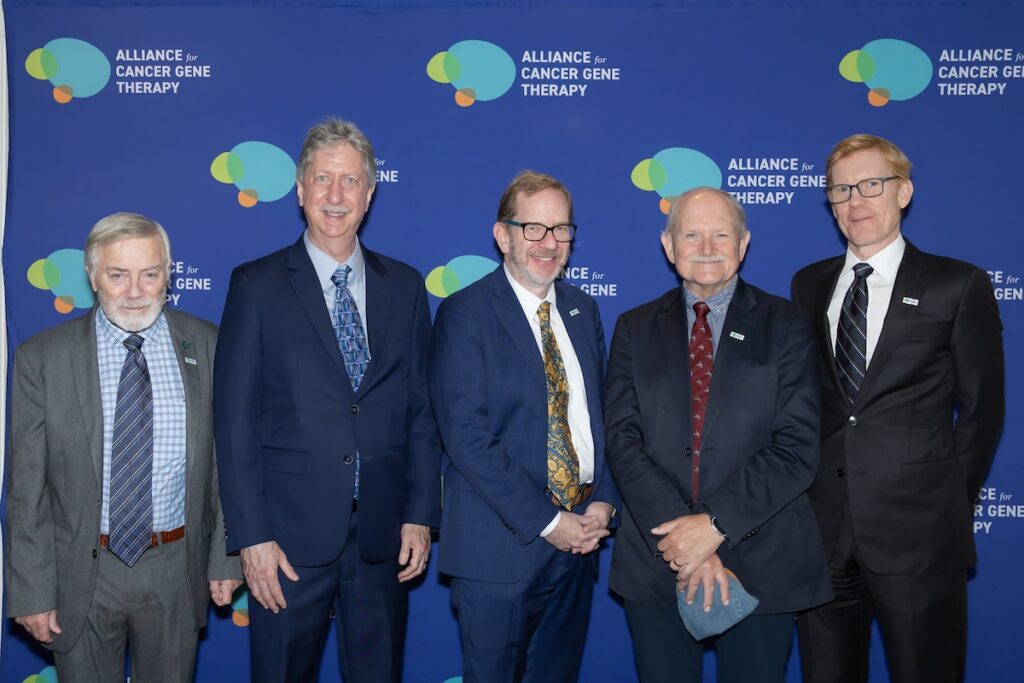
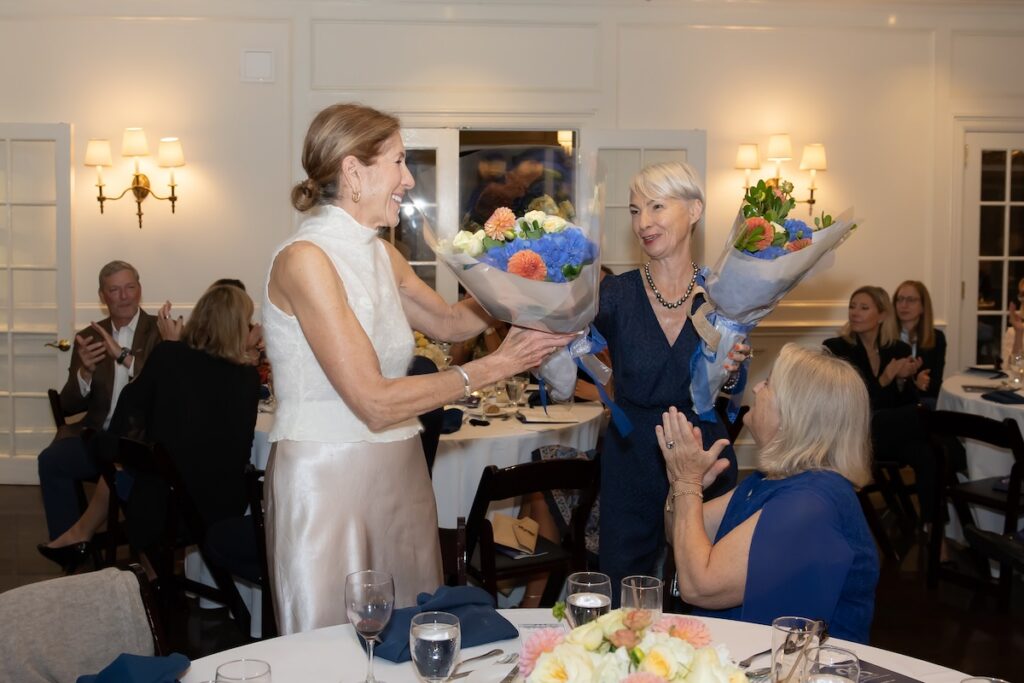
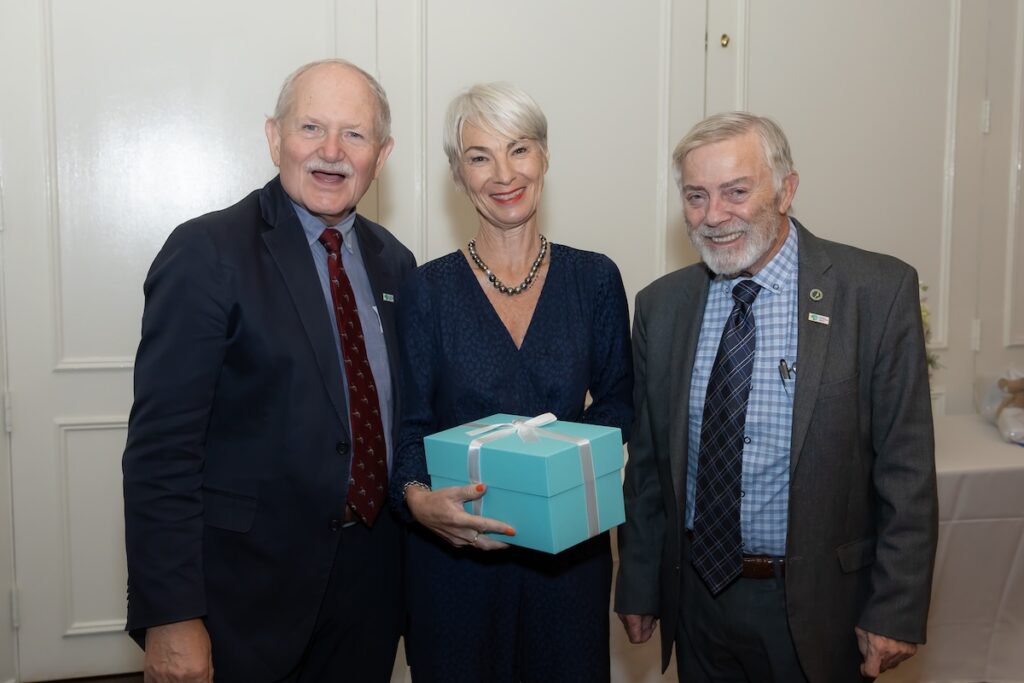
First up were the scientists. Honeycutt likened the Scientific Advisory Council (SAC)’s 25 years of grant review to “the scientific equivalent of jury duty, except that they volunteered, and they keep coming back.” Chief Program Officer Barbara Lavery, presenting the award, hailed the SAC’s “tenacity and their creativity.” Accepting the award were current Chair Michael T. Lotze, MD, part of ACGT since 2003 and at the helm since 2020, and his predecessor, Joseph C. Glorioso, III, PhD, who took the reins in 2015.
“Big changes come from small changes.”
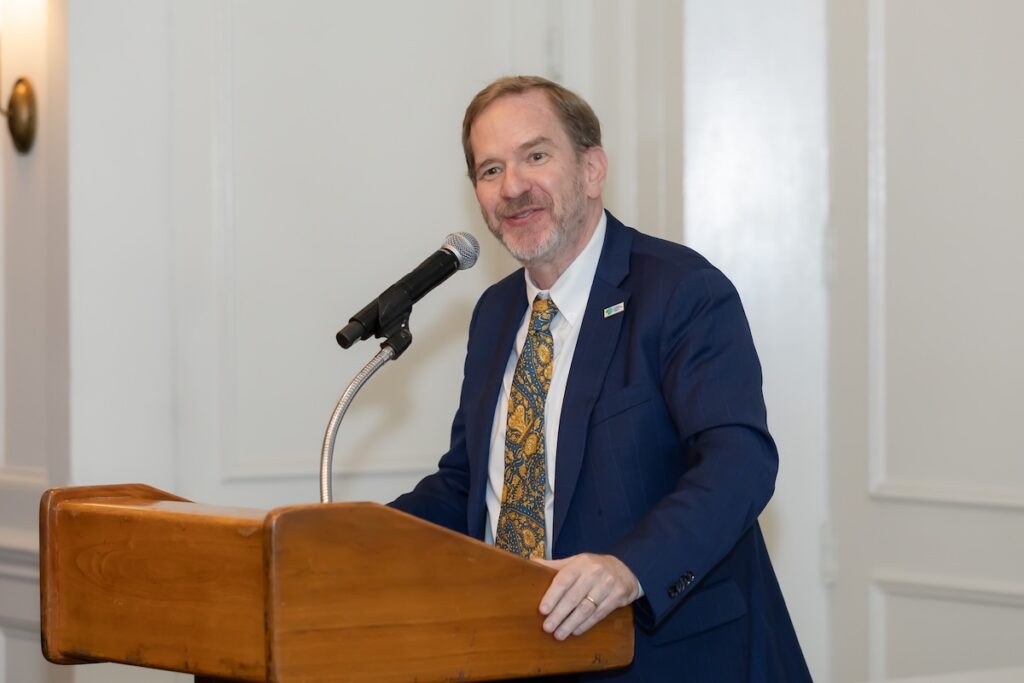
For the evening’s keynote, ACGT turned to one of its own: Ben Z. Stanger, MD, PhD, the Hanna Wise Professor in Cancer Research at the University of Pennsylvania and an ACGT Research Fellow working with Dr. June to tackle pancreatic cancer. As Honeycutt put it, this disease is “the problem closest to our founders’ hearts.” Fittingly, Stanger’s 2025 award, the ACGT – Edward Netter Memorial Investigator Award in Cell and Gene Therapy for Pancreatic Cancer, bears Edward’s name.
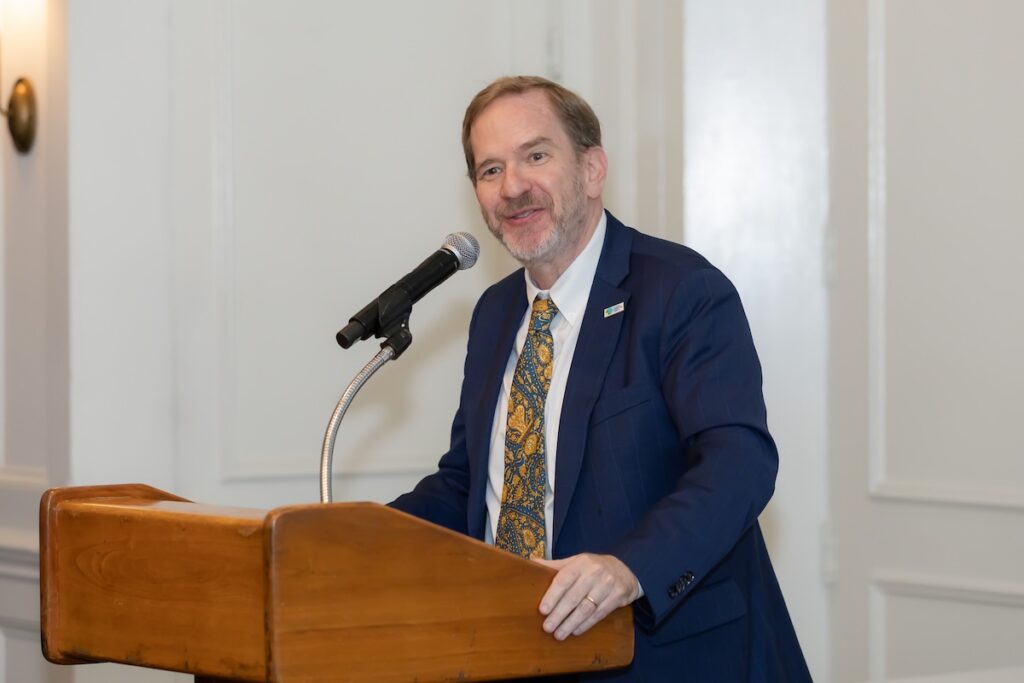
Stanger delivered a lesson in impact, opening with a hopeful statistic that captured progress to date. Citing the American Cancer Society, he noted that the age-adjusted cancer death rate in the U.S. “has dropped by approximately 35% in the past 35 years”—or about 1% per year on average. Modest on its own, that pace has averted roughly 4.8 million deaths. He left those in attendance with an important takeaway that “big changes come from small changes,” while also warning that sustaining that progress depends on support for young researchers.
“We must nurture the next generation of scientists to maintain that momentum,” he emphasized.
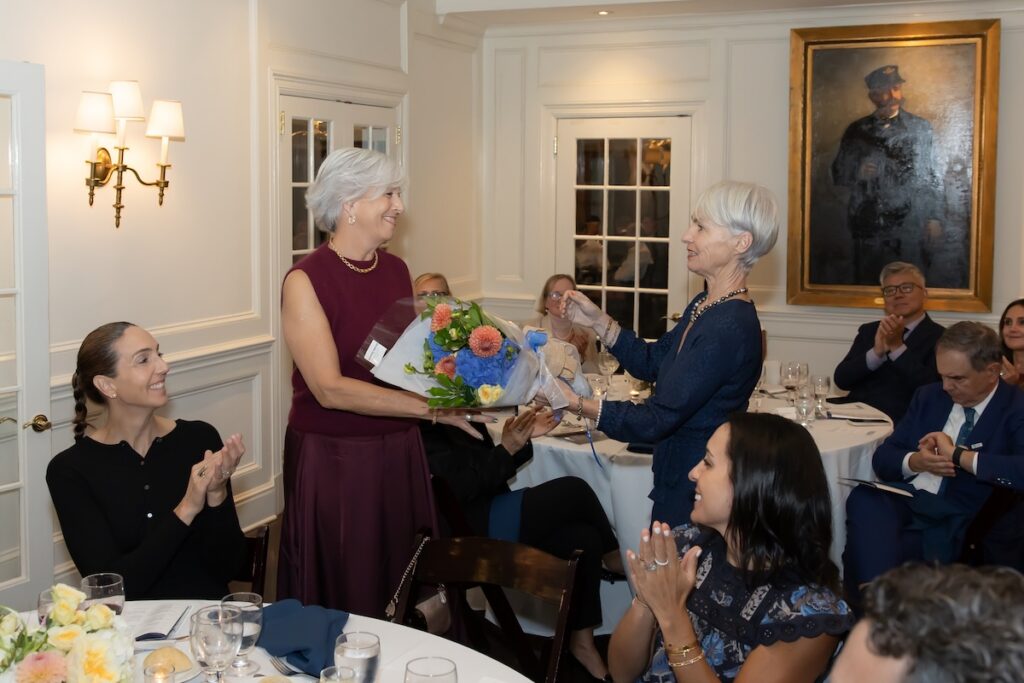
ACGT partner Swim Across America – Fairfield County, which held its 20th annual swim this year, is helping to do just that. Founder Matthew Vossler and President and CEO Rob Butcher accepted the award on behalf of a community that, as Honeycutt put it, turns “every stroke into critical research.”

The reason the work matters.
Few were better suited to present the final honors than ACGT board member Bruce Levine, PhD, who, alongside Dr. June and the UPenn team, manufactured the cells for the institution’s first CAR T-cell trials, including those infused into some of the very patients in attendance at the celebration.
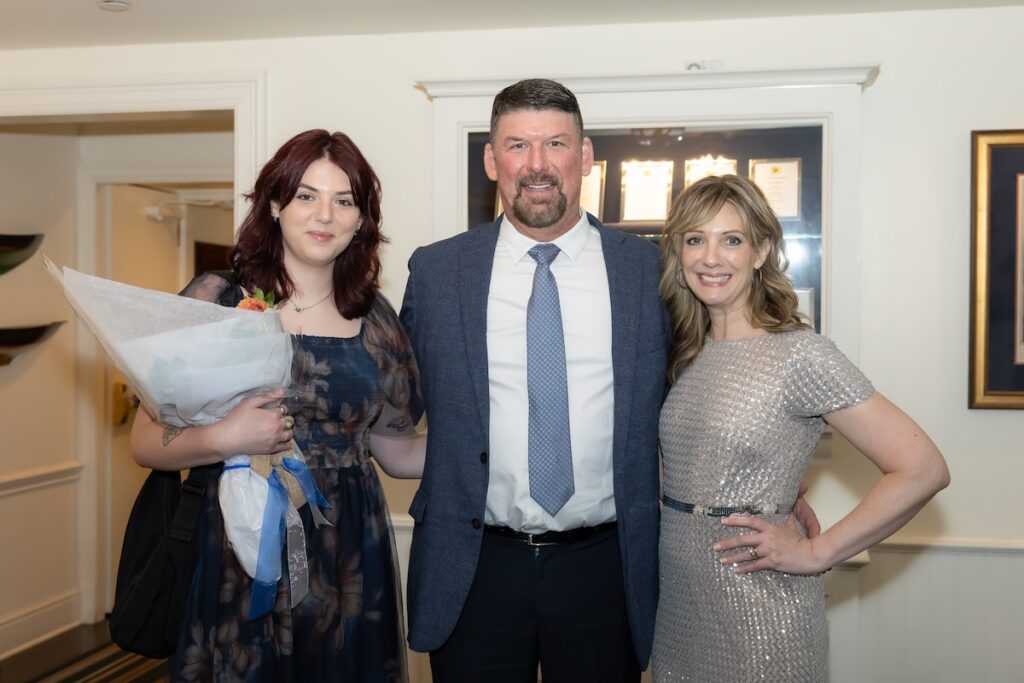
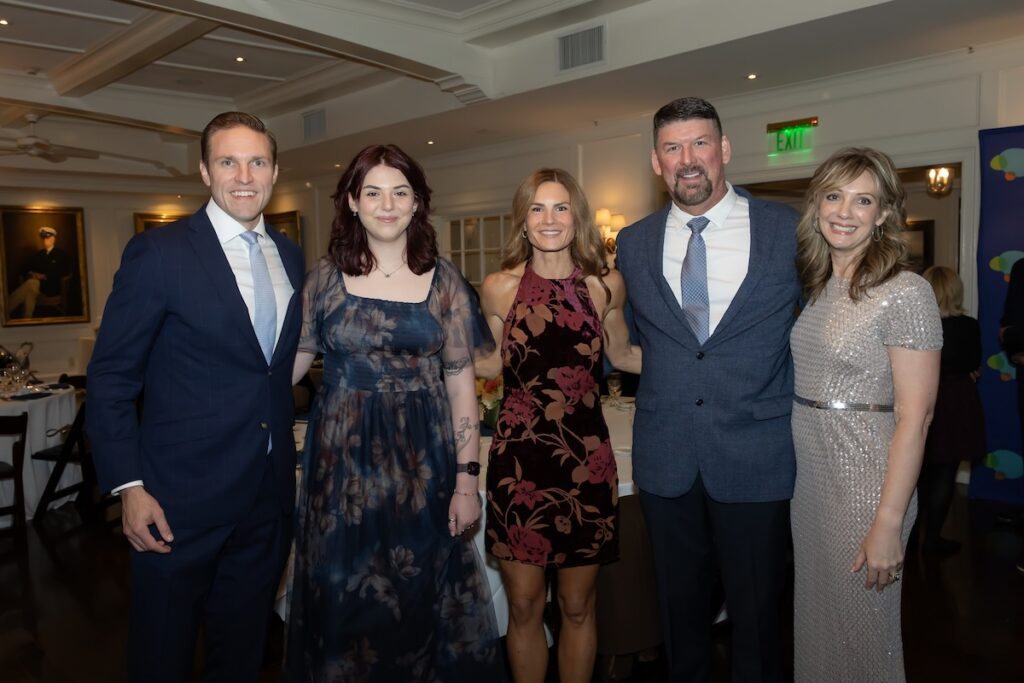
Among them was Emily Whitehead, joined by her parents, Tom and Kari. At age six, Emily became the world’s first child to receive CAR T-cell therapy. Fourteen years later, she remains cancer-free and has just begun her senior year at the University of Pennsylvania. Also honored were Dr. Doug Olson, the second adult patient treated in UPenn’s CAR T-cell trials, and Bradley Watts, a lymphoma survivor and patient advocate who benefited from CAR T-cell therapy. In their honor, ACGT made a contribution to the Emily Whitehead Foundation.
The next 25 years.
In closing, Honeycutt looked ahead. ACGT is now devoted solely to funding cell and gene research to treat solid tumors, which account for 90 percent of all cancers.
“Somewhere right now, a researcher has a brilliant idea that no one is yet willing to fund,” he said of the next generation of scientists. “Finding and funding that researcher is the whole job.”
As for Edward’s original wager? “Twenty-five years later, I think we can say—with actuarial confidence—that the bet paid off.”
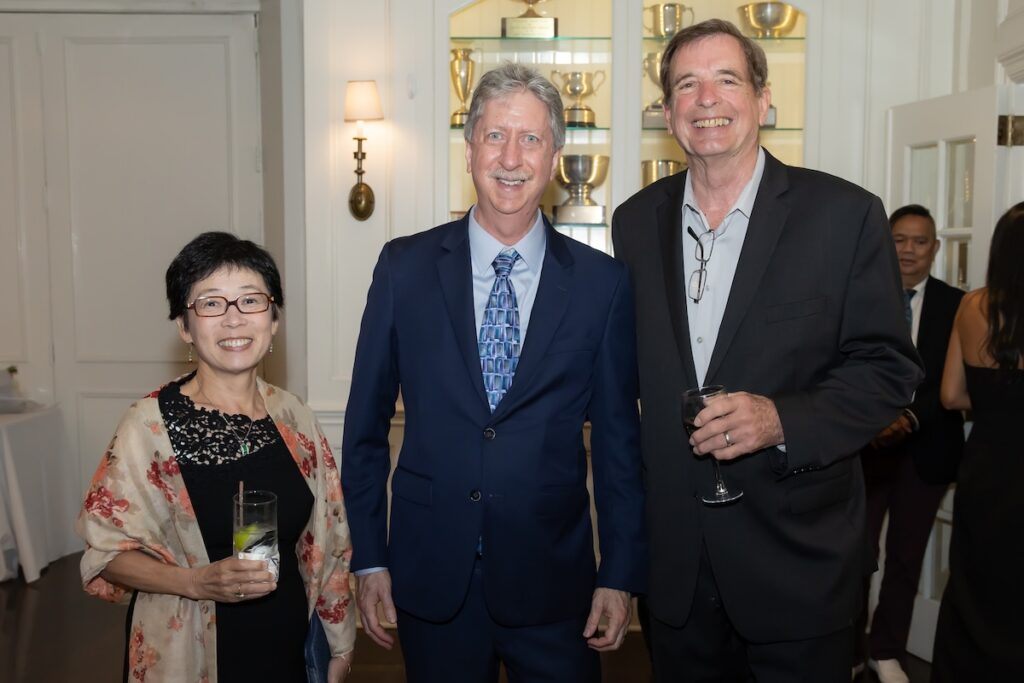
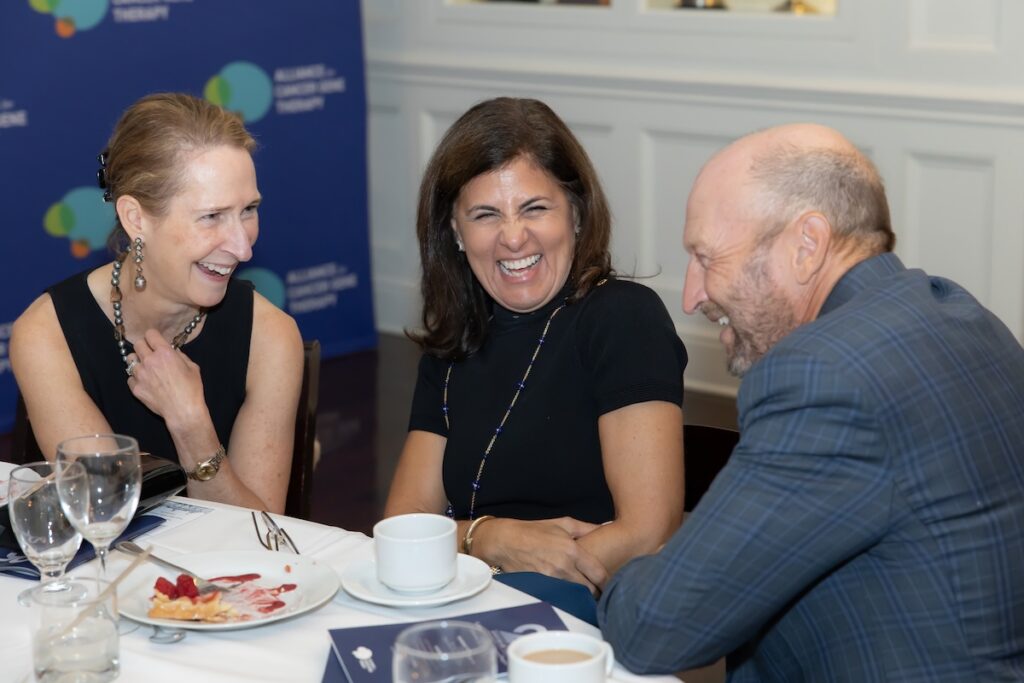
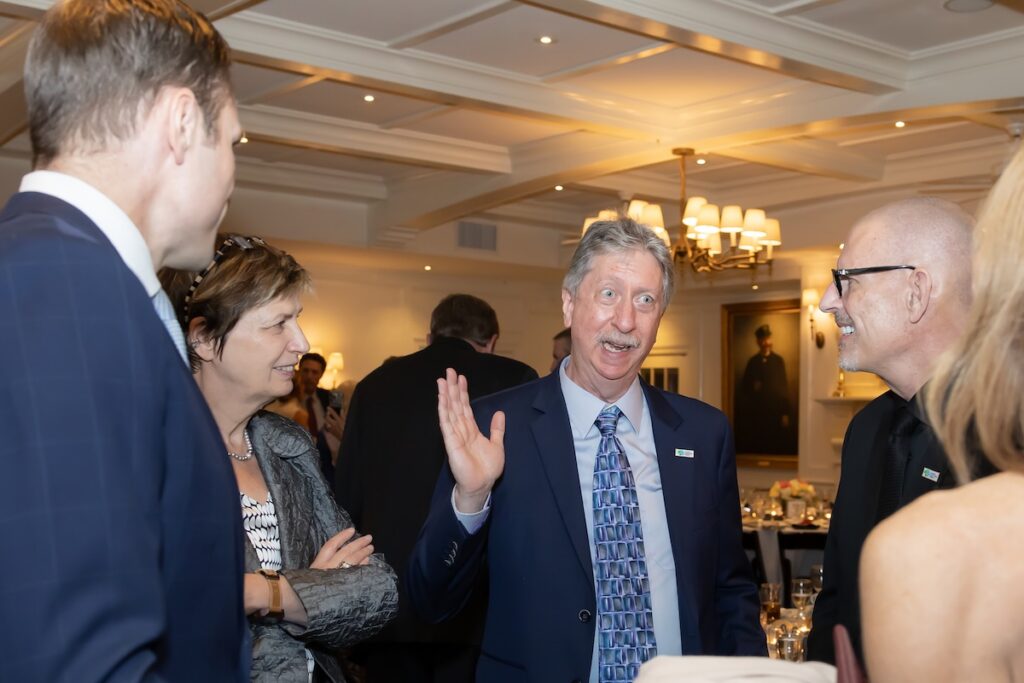
See more photos from the 2026 ACGT Gala below!