
When Alliance for Cancer Gene Therapy (ACGT) was founded 25 years ago, the question hanging over cancer cell and gene therapy was a stark one: Could it work at all? With twelve approved products and over 60,000 patients treated worldwide, the answer is a resounding yes. On March 26–27, ACGT gathered nearly 100 of the field’s leading minds for ACGT Summit 2026, held at the Alexandria Center for Life Science in New York City, to answer a very different question—not whether these therapies work, but how to make them work everywhere and for everyone.
The invitation-only Summit brought together ACGT Scientific Advisory Council members and Research Fellows alongside industry leaders in biotech and pharma to share progress and debate the field’s future. The timing also gave the gathering deeper resonance. The Summit celebrated ACGT’s 25th anniversary, marking a quarter-century during which the organization, its founders, and the scientists it funded turned an unproven idea into one of the most consequential advances in modern oncology.

25 Years of Vision, Courage, and Passion
Some of the most powerful moments of the two-day Summit came not from discussions of the latest scientific breakthroughs and promising trial data, but from the recognition of how far the field has come, and who made its progress possible. The story traces back to a bet almost no one else was willing to make.
When Carl June, MD, of University of Pennsylvania, and Michel Sadelain, MD, PhD, then at Memorial Sloan Kettering, were advancing the preclinical work that would become CAR T-cell therapy, the established funding system, including the National Institutes of Health, turned them away. The promise was visible in the laboratory, but there was no viable path into the clinic through traditional mechanisms.
“The NCI wouldn’t touch this,” Sadelain recalled, referring to their inability to get grants from the National Cancer Institute.
Fortunately, early ACGT grants to June, Sadelain, and their teams helped launch the first CD19 CAR T-cell trials in humans, which would eventually reshape the treatment of blood cancers. The scientists who gathered at the Summit were clear in crediting the importance of this initial support.
“The role of [ACGT] philanthropy was just so huge in making cell and gene therapy work,” said June, personally thanking Barbara Netter, co-founder of ACGT alongside her late husband Edward.
Sadelain, addressing Netter directly, echoed June’s feelings. “What we did would not have happened without your vision and that of Edward’s. So, thank you for your vision, your courage, and your passion. What an amazing difference you’ve made!”
“The word prescient doesn’t do justice to their vision,” added Bruce Levine, PhD, of University of Pennsylvania, who moderated the lunchtime discussion celebrating the 25th Anniversary of ACGT with June and Sadelain, who are both current members of the ACGT Scientific Advisory Council.
The Proof in the Room
The scientists in the room represented the evolution of the field, but two patient advocates in attendance symbolized its significance. Before CAR T was a proven treatment, Bob Levis made the decision to become the fourth patient ever to receive the experimental therapy when he enrolled in the initial ACGT-supported trial to treat his aggressive chronic lymphocytic leukemia (CLL) over 20 years ago. During the Summit, Bob described what that opportunity meant to him and his family. “It saved my life. Without it, I wouldn’t be here. I would not have met my five grandchildren.”
Bradley Watts, who remains cancer-free six years out from his CAR T-cell treatment and five years out from his last treatment and now serves as a Patient and Industry Advocate at the Emily Whitehead Foundation, offered the patient perspective on CAR T-cell therapy from a different vantage point. (Emily Whitehead was the first child treated with CAR T cell therapy. She was completely cured of a life-threatening recurrence of acute lymphoblastic leukemia (ALL), the most common childhood cancer. Emily joined the first CAR T trial at the University of Pennsylvania and is now 21 and thriving.)

Careful to distinguish what the science has proven from what it means to him and to other patients personally, Watts shared an idea that offers him great reassurance. “I love the permanency and the hope that by receiving this CAR T-cell therapy, these cells can proliferate in my body, they can stay there, and if a cancer cell takes a step out of line, they can immediately take care of it. That means peace to me.”
The Future of Cell Therapy for Cancer
The reason ACGT convened this gathering, of course, is that the overall mission is not yet accomplished. Replicating the success that CAR T-cell therapy has had in blood cancers remains challenging in treating solid tumors that account for the great majority of cancer cases. Succeeding in treating solid tumors like pancreatic, ovarian, and brain cancers is the defining challenge of the field’s next chapter.

During the two days of Summit panels, experts highlighted not only the scientific obstacles to developing more cures but also the logistical, financial, and political issues that need to be addressed to expand access for more patients. Creating cell therapies that are safe and effective against solid tumors is hard enough on its own; doing so affordably at manufacturing scale and within a policy environment that can keep pace with the latest breakthroughs adds further layers of difficulty.
The Challenges Ahead
One of the biggest challenges in cell therapy for solid tumors is tackling the tumor microenvironment (TME), the hostile territory in and around tumors that exhausts and disarms infiltrating immune cells. Strategies discussed at the Summit for overcoming the TME included targeting the TGF-beta pathway and deploying oncolytic viruses to soften tumors before the CAR T cells arrive. Increasingly, attention is also turning to myeloid cells such as macrophages and neutrophils, which can play strikingly opposite roles. In some contexts, these immune cells reinforce the immunosuppressive environment that shields tumors. In others, they actively participate in and drive the immune system’s attack against them. That duality makes them both an obstacle to overcome and a promising lever to pull, whether by blocking their tumor-promoting behavior or reprogramming them to fight cancer.
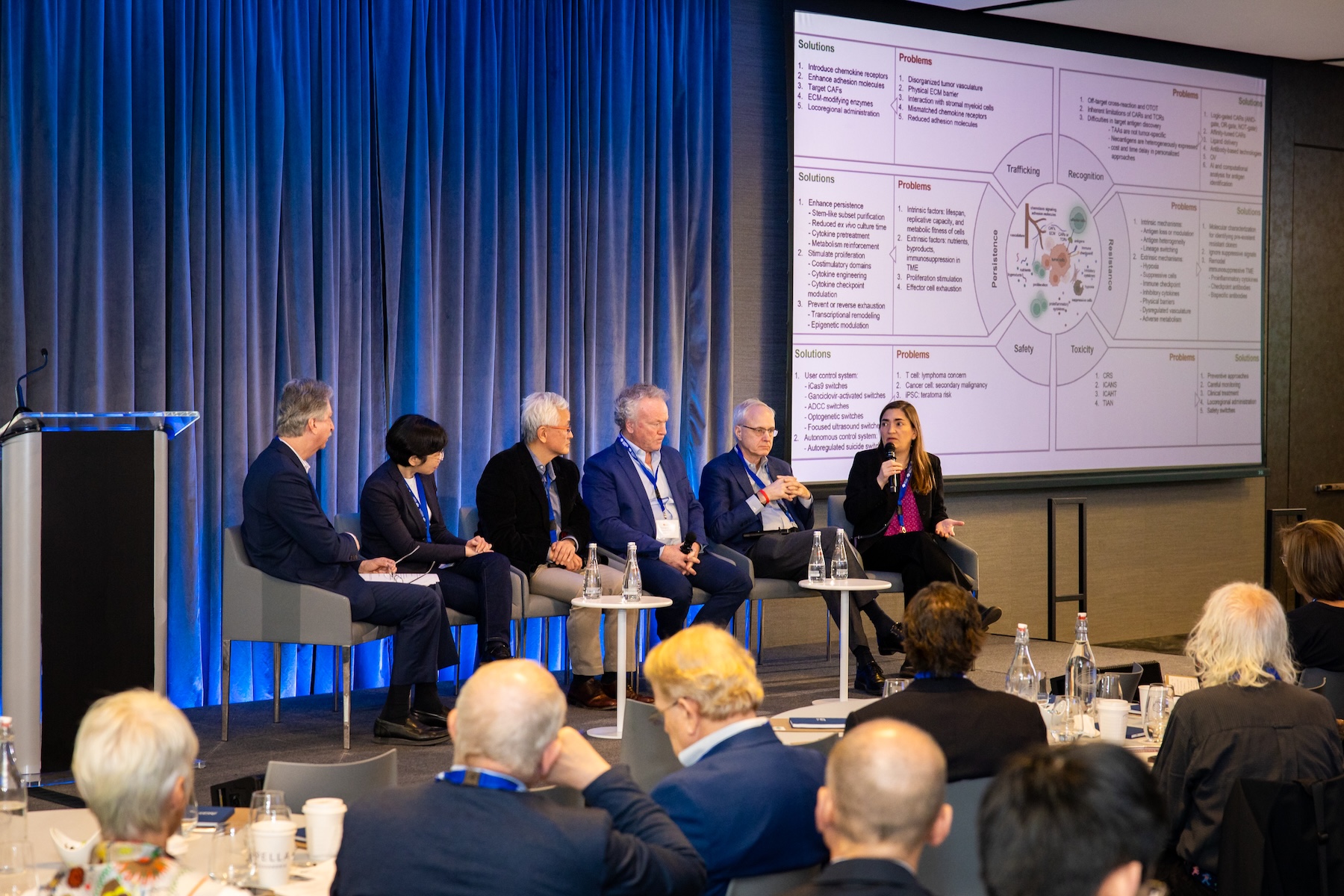
That focus on the tumor microenvironment is reflected in the scientific work of the most recent group of ACGT Research Fellows, all of whom shared exciting research during talks at the Summit that seeks to tackle the problem from multiple angles. Joseph Fraietta, PhD, of University of Pennsylvania, and Renier Brentjens, MD, PhD, of Roswell Park Comprehensive Cancer Center, are both working to develop engineered T cells that survive and remain active despite the barriers presented by the TME as part of their ACGT Investigator Awards in Cell and Gene Therapy for Gynecological Cancer Research.
Fraietta is using an oncolytic virus to disrupt the tumor microenvironment and make tumors more susceptible to CAR T-cell therapy, priming the target before the cells arrive. To supplement CAR T cells, Fraietta is also using bispecific antibodies designed to engage naturally occurring T cells and enhance their ability to recognize cancer cells.

Meanwhile, Brentjens is “armoring” his CAR T cells to express the inflammatory cytokine IL-18 to “heat up” the normally immunologically cold microenvironment and trigger additional immune cells to join in the anticancer response. With ACGT support, he is advancing this approach into a phase I trial, continuing his contribution to advancing cell and gene therapies that began two decades earlier when he was part of Sadelain’s team on the original 2003 ACGT grant. Both Fraietta and Brentjens are also exploring how to avoid lymphodepletion, the harsh preconditioning used to clear a patient’s existing immune cells prior to CAR T-cell therapy, without compromising the treatment’s safety or effectiveness.
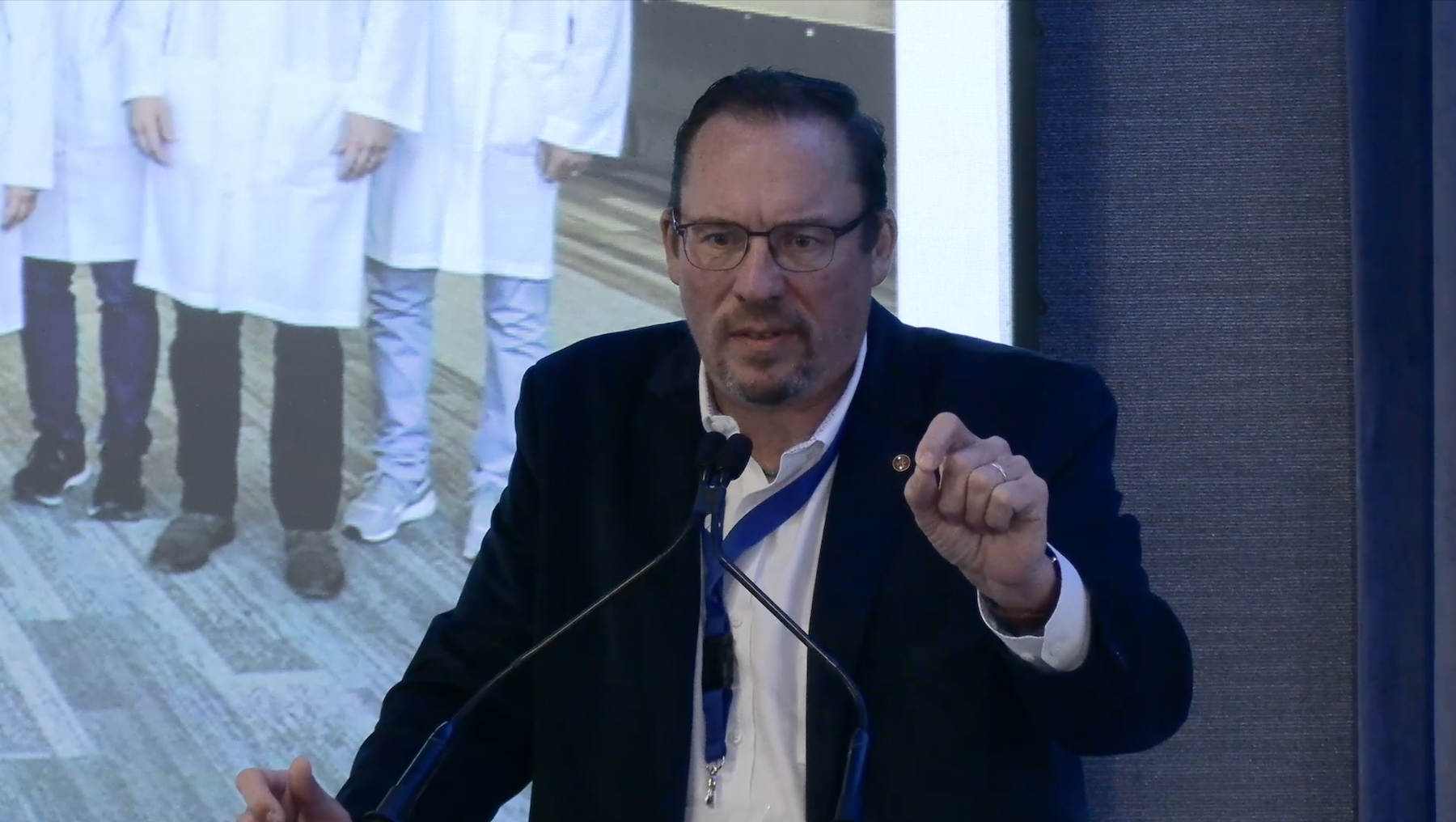
In contrast, Sidi Chen, PhD, of Yale University, aims to improve T-cell fitness by knocking out internal pathways that can suppress optimal function. Through his ACGT-Cinelli Family Foundation Award for Cancer Cell and Gene Therapy Research in Breast Cancer, Chen is pursuing the in vivo generation of CAR T cells using a technique that creates the cancer-targeting cells inside the body, genetically reprogramming T cells already present without removing them from patients. This is a direct attempt to solve the manufacturing and logistical bottlenecks that limit access and increase costs today.

One challenge that cuts across nearly every therapeutic strategy is determining whether treatments are working. Panelists broadly agreed that the field still lacks reliable biomarkers for patient monitoring that allow clinicians to respond in a timely and practical manner. Survival remains the gold standard, but that takes years to determine. Better intermediate markers will be crucial for identifying actionable signals from small-scale trials necessary to advance the most promising approaches.
Designing for Complexity
The “Integrative Immunotherapy” panel on the second day of Summit 2026 featured a scientific debate centered on combinations, with Ira Mellman, PhD, of the Parker Institute for Cancer Immunotherapy (PICI), noting that the more effective a single strategy becomes, the harder cancer works to find an escape route, making multiple targets and modalities essential in most cases. During the session, Christine Brown, PhD, of City of Hope, framed the central design question by asking when a capability should be engineered directly into a T cell and when it should be supplied as a separate therapy as part of a combination strategy.
This complexity, she stressed, runs deeper than simply choosing what to combine. It also extends to how, when, in what sequence, and by what route of administration. One illustration of building a capability directly into the cell is “armoring” or engineering T cells to produce powerful signaling molecules called cytokines, as Brentjens’ IL-18-producing CAR T cells do. Brian Brown, PhD, of Mount Sinai, pointed to two potential advantages of the approach. First, it allows cytokines to be delivered in a highly localized way, concentrated at the tumor rather than released throughout the body. Second, it opens the door to engineering cells that can respond to feedback from their surroundings.
That matters, he explained, because more is not always better. A flood of cytokines in the tumor can backfire, proving toxic to the very T cells it is meant to support or recruiting immunosuppressive myeloid cells that help the tumor. The field is not there yet, he acknowledged, and getting there will mean understanding how cells adapt over time, how chronic signaling plays out, and what dosage is actually optimal. The goal, ultimately, is a therapy that can regulate itself. “The more we can use a living cell to act as the sensor for how much of a signaling molecule it needs, the better off we would be,” Brown said.

Making Progress on Parallel Fronts
Other panels rounded out the incredible scientific progress in a field that is attacking its central problem from every available angle, including how technologies and novel approaches will ultimately lead to potentially curative and affordable therapies for patients.
The “From Materials to Medicine” panel in particular turned to the convergence of materials science and immunology, asking whether emerging synthetic biology could reshape the economics of the field itself. Fraietta, who moderated the discussion, asked, “Can emerging synthetic materials move us from expensive, slow ex vivo manufacturing toward programmable, scalable, and potentially in vivo immune engineering?”
Others pursued that same goal of broader access through different means: new delivery methods and off-the-shelf, allogeneic approaches designed to make therapies faster and cheaper to produce; the evolving role of T-cell receptor (TCR) and tumor-infiltrating lymphocyte (TIL) therapies following recent regulatory approvals; and newer cellular approaches harnessing natural killer (NK) cells and gamma delta T cells. Taken together, the sessions reinforced the Summit’s central message: The therapeutic repertoire for solid tumors is broadening quickly, and no single approach seems likely to carry the field alone.
Bridging the Policy and Funding Gaps
Even the best science stalls if the greater health care ecosystem around it cannot adapt and evolve to accommodate it. Conversations frequently turned to the efficiency of the translational pipeline—whether the clinic can keep pace with cutting-edge progress in the laboratory—and to the policy changes that may be required to facilitate faster approvals and greater patient access.
According to Jeff Allen, PhD, of Friends of Cancer Research, “there is a recognition that the pipeline is promising, but now I think there needs to be a change to follow in the policy landscape to be more conducive to these types of discoveries.”

Others pointed to gaps in collaboration as much as policy. Marcela Maus, MD, PhD, of Massachusetts General Hospital, stressed the need for closer cooperation between physicians who treat blood cancers and those who treat solid tumors, whereas Donald O’Rourke, MD, of University of Pennsylvania, emphasized the value and even necessity of disease-specific expertise when designing therapies. Following the suggestion during the earlier Keynote Panel that the moment may call for a new model of academic-industry partnership altogether, June argued that academia must keep driving innovation in precisely the areas that do not fit the pharmaceutical business model, such as rare diseases like brain cancer, even as he voiced confidence in the scientific tools now available.
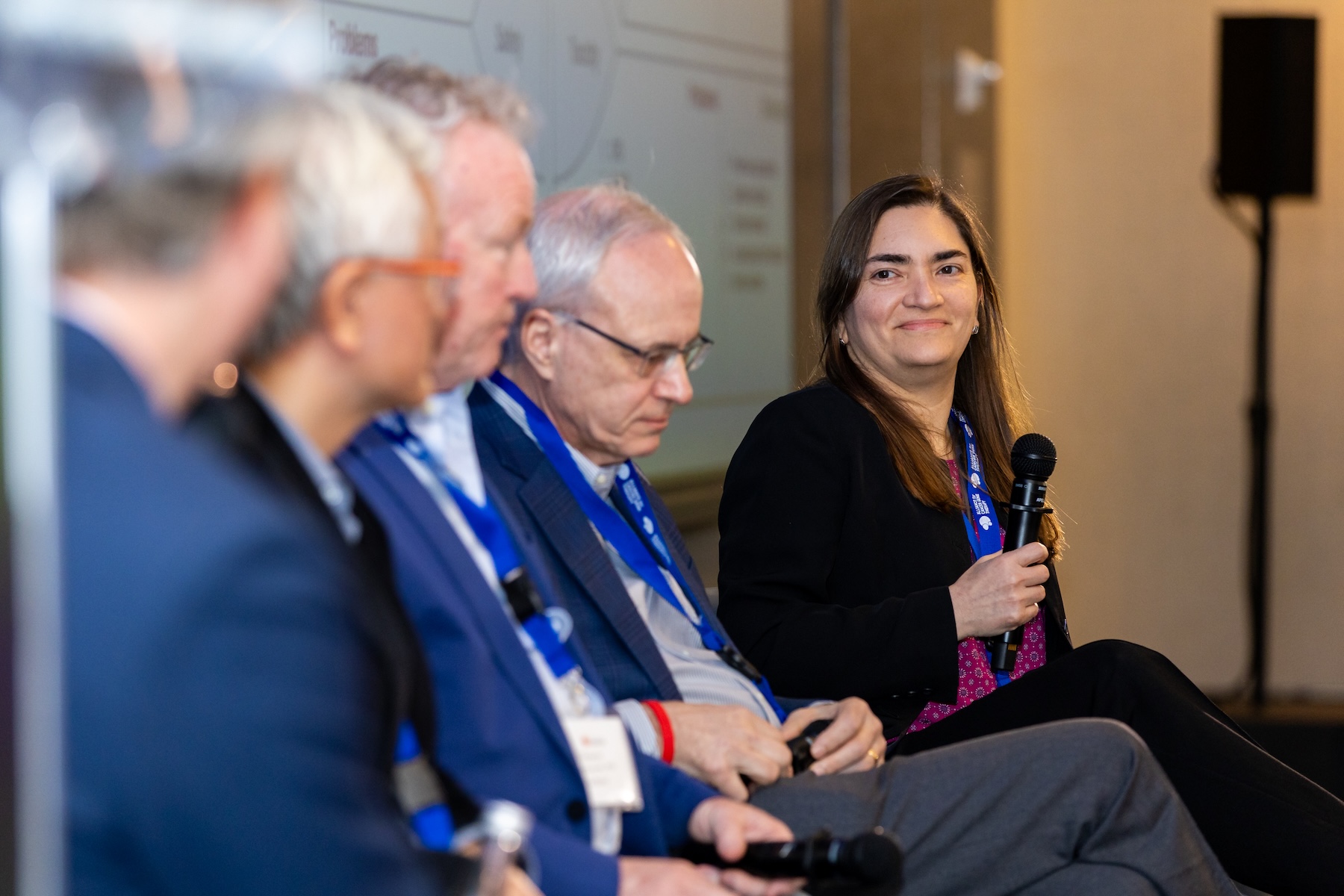
A dedicated session on catalyzing investment also dissected the financial considerations directly, examining where capital is flowing in 2026 and how creative partnerships can help spur innovation and bridge the gap to drive new therapies from laboratory and into the clinic.
Philanthropic Partners and Collaborations
Staying true to ACGT’s mission, the Summit underscored that philanthropy remains as central to the field’s future as it was to its origins. Leaders from ACGT’s newest funding partner, the Cinelli Family Foundation, articulated the value of their partnership with ACGT, highlighting the organization’s scientific excellence and 25-year experience.
As Eric Ryan of the Cinelli Family Foundation explained, the foundation relies on the ACGT team and its experts to evaluate the science it could not assess on its own. “That’s why we are so lucky to have ACGT, the whole team, and the Scientific Advisory Council especially … to partner with you and leverage the knowledge that you have.”

A Field at a Crossroads
Twenty-five years ago, ACGT and Barbara and Edward Netter made a bet that cancer cell and gene therapy would work, even as many in the field doubted its potential. The patients who attended ACGT Summit 2026 in New York are the ultimate dividend on that original investment. The question now is not whether the science is real—Bob Levis, Bradley Watts, and other patients have settled that debate—but whether the field can expand to meet the needs of the millions of patients with solid tumors who are still waiting for cures.
The scientific toolbox is there. What the Summit made clear is that the new collaborative models fostered by ACGT, that unite scientists and clinicians with industry and philanthropic partners, may be what finally brings together the talent, the will, and the strategic investment needed to carry the field closer to the finish line and prove that curative therapies for cancer are not just possible but probable in the next few decades.


