
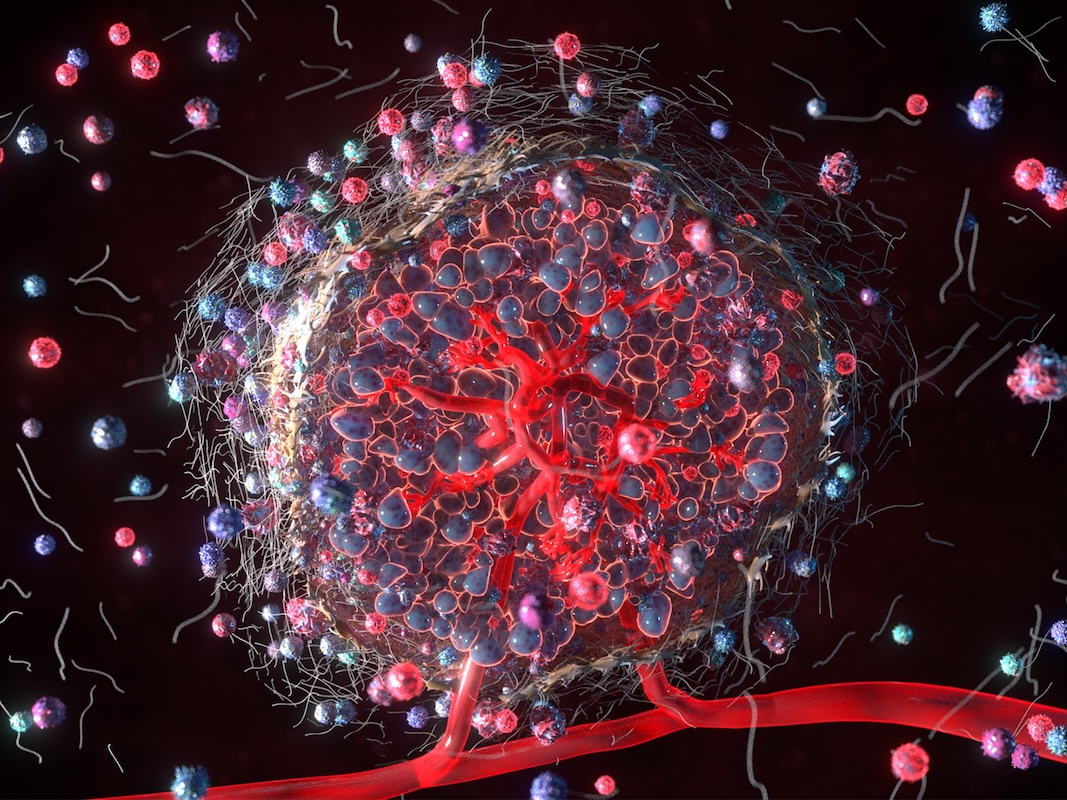
Ask most people about cell therapy for cancer, and if they have heard of it, they will likely mention chimeric antigen receptor (CAR) T cells, which have gained fame for delivering powerful cures and securing multiple FDA approvals for blood cancers. But CAR T cells were not the first cell therapy explored for cancer. Long before CAR T-cell therapy began revolutionizing cancer treatment, tumor-infiltrating lymphocyte (TIL) therapy was used to treat patients at the National Cancer Institute (NCI) in the 1980s.
In February 2024, TIL achieved a breakthrough moment when the FDA approved Iovance Biotherapeutics’ lifileucel (Amtagvi) for advanced melanoma, making it the world’s first T-cell therapy approved for a solid tumor.
To explain the concept behind TIL, how it works, and where this exciting approach may lead, we spoke with two members of ACGT’s Scientific Advisory Council: Michael T. Lotze, MD, of the University of Pittsburgh Medical Center (UPMC) Hillman Cancer Center, a TIL pioneer, and Shari Pilon-Thomas, PhD, who is leading the TIL charge at Moffitt Cancer Center and expanding research beyond melanoma into other hard-to-treat solid tumors.

The seeds of a cure, waiting within.
TIL grew out of the earliest cell therapy work at the NCI, which used lymphokine-activated killer (LAK) cells, immune cells taken from patients’ blood and activated with the growth factor interleukin-2 (IL-2). (This year marks the 50th anniversary of the discovery of IL-2.) LAK cells could kill tumors but didn’t specifically target a patient’s cancer, so researchers studied the tumor itself, reasoning that the immune cells most attuned to a cancer might be found within it.
That hunch held up, and in early preclinical studies, those tumor-infiltrating cells proved far more potent than LAK cells. We now know that in many cancers, the immune system’s targeted killers, the T cells, have already recognized and infiltrated the tumor. “We can find T cells in pretty much every single tumor from all of our patients with solid tumors,” Pilon-Thomas said.
In the lab, these T cells can recognize and kill tumor cells. Yet inside the patient’s own tumor, they are held back.
The reason, she explained, is that any tumor that survives and grows large enough to be noticed by doctors has learned to escape, or at least neutralize, immune attack. “Tumors are very clever,” she said. “They evolve to protect themselves against our immune responses, including by recruiting other cells that shut T cells down.”
TIL therapy begins by removing T cells from the hostile tumor environment so they can expand. Surgeons remove part of a tumor, and the T cells within are then multiplied in the presence of IL-2. “By taking away that suppression that inhibits T-cell activity in the tumor environment, the T cells are then free to grow into the billions,” Pilon-Thomas said.
Both experts see TIL diversity as its key strength. Unlike CAR T cells, which recognize a single target, or antigen, a TIL product carries hundreds, if not thousands, of different T-cell receptors that recognize a broad spectrum of tumor targets, Lotze said.
That matters immensely against solid tumors.
In addition to being heterogeneous, meaning different tumor cells express different antigens, tumors are genetically unstable and can adapt quickly when attacked. “I’m a big believer in attacking a tumor from many different angles when you’re combating an unstable tumor, which can turn on a dime,” Lotze said. “Tumors act like, ‘Oh, you’re going to target this protein? Fine, I’ll just get rid of it. I don’t need it anyway.’ That’s why TIL can be so effective against these tumors, because it makes it harder for cancer to escape the immune system.”
A 40-year journey to approval.
Lotze first arrived at the NCI in 1978 as a clinical associate. To test whether patients’ immune cells could kill their own cancers, he and his team began breaking tumors apart in the lab and watched T cells spill out. This work was first done in mice by Ilana Yron, PhD, and Susan Schwartz, and then in human tumors.
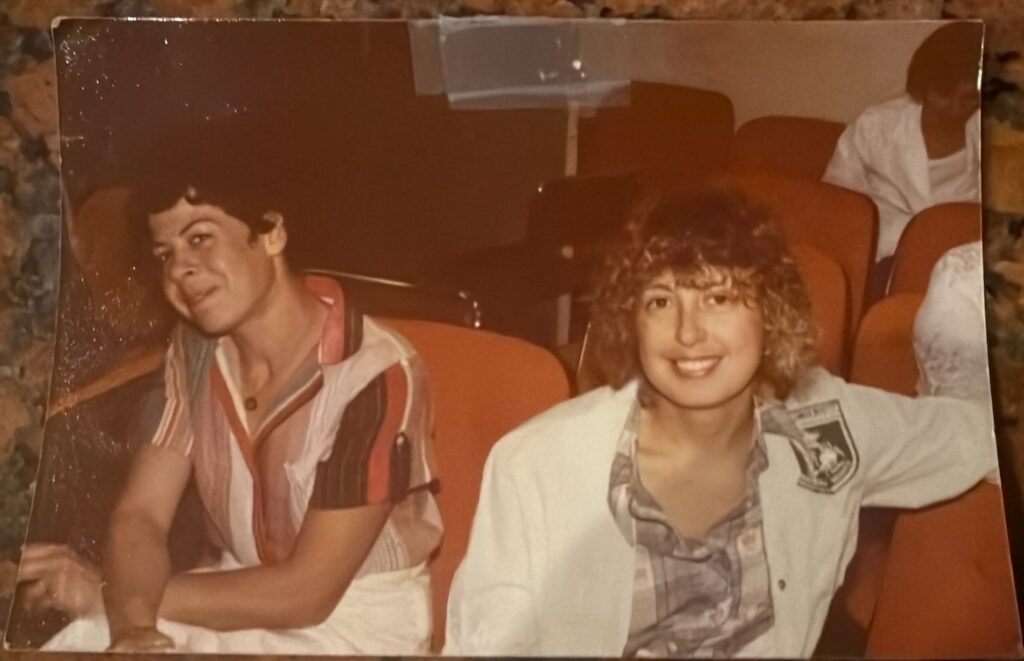
Naming them took some debate, Lotze recalled, but they finally settled on tumor-infiltrating lymphocytes, or TIL, and the name stuck.
By the mid-1980s, Lotze, Steven A. Rosenberg, MD, PhD—the 2025 recipient of The Edward Netter Leadership Award from ACGT—and their NCI colleagues were treating melanoma patients with TIL and were convinced by patients whose cancers had shrugged off IL-2 alone, yet “absolutely responded to administration of TIL plus IL-2.”
Decades of refinement followed. “It’s not your grandfather’s TIL,” Lotze said, though he acknowledged that “it did take us 40 years to go from the beginning of TIL to their approval.”
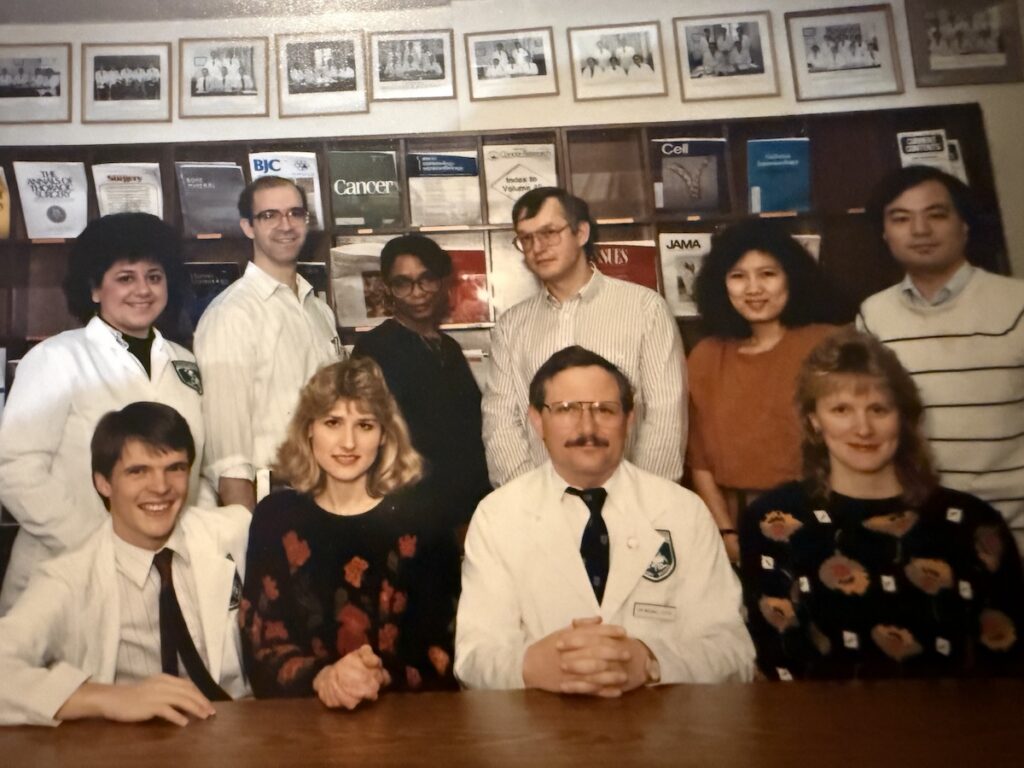
Currently, neoclonal TIL therapy is approved only for patients with advanced melanoma that has progressed after immune checkpoint therapy. In its pivotal trial, roughly three in ten heavily pretreated patients responded, and many responses lasted for years. In Europe, a randomized phase 3 trial in which most patients had already progressed after PD-1 immune checkpoint therapy found that a similar TIL product protected against progression better than the CTLA-4 immune checkpoint drug ipilimumab.
For Lotze, durability is the real headline. “I think we’re out far enough in TIL space where we can, without embarrassment, talk about true cures,” he said.
Some patients who once had widespread metastatic disease remain cancer-free 15 to 20 years later, and some of his patients treated with IL-2 alone have stayed in remission even longer. “I have people who are out now 45 years, who once had widespread metastatic disease in the bone and liver, who have never had their cancer come back,” Lotze said.
However, that chance at a cure still demands a great deal from patients. After surgical resection and a four- to six-week wait while their T cells are expanded into the therapeutic product, they are hospitalized for chemotherapy, the TIL infusion, and IL-2 doses. “It’s a very difficult therapy, and we hear patients say, ‘I don’t think I’d want to do that again,'” Pilon-Thomas said.
Building better TIL.
Those demands, together with the fact that TIL helps only a subset of patients, have researchers working on several fronts to make the therapy more effective, more widely available, and easier for patients.
Better TIL starts with better T cells, which means rethinking both when and where they are collected. Today, TIL usually becomes an option only after other treatments have failed, when the T cells in a patient’s tumor are worn down and exhausted. “Getting effective therapies to patients earlier is really the message,” Lotze said.
Iovance is now testing TIL alongside checkpoint immunotherapy as a first treatment for patients with advanced melanoma in a phase 3 trial, and is also testing lifileucel in the phase 2 IOV-LUN-202 clinical trial for patients with advanced non-small cell lung cancer (NSCLC).
In other cancers, where regulators have been reluctant to replace standard chemotherapy with an experimental therapy, groups are exploring harvesting TIL early in a patient’s care and saving them for later.
Researchers are also looking beyond the tumor for better sources of T cells. Some are working to pull tumor-reactive T cells from a patient’s blood, which could make TIL therapy available to patients whose tumors are small or hard to remove. Others, including Pilon-Thomas, are turning to the lymph nodes that drain the tumor. Those can yield “the most beautiful T cells you’ve ever grown,” she said, but most of them don’t recognize the tumor.
Doing “pre-TIL” strategies involving the immune stimulant CpG, oncolytic herpes viruses, or a limited number of doses of IL-2 to make the TIL better.
Picking out the right cells is a challenge wherever they come from. Only a fraction of the cells in a TIL product will recognize the cancer. “We give patients 50 to 100 billion cells, hoping that a fair proportion of those are the tumor-reactive ones,” Pilon-Thomas said. Researchers are racing to use telltale markers on T cells, as well as each tumor’s unique mutations, to identify the true tumor fighters.
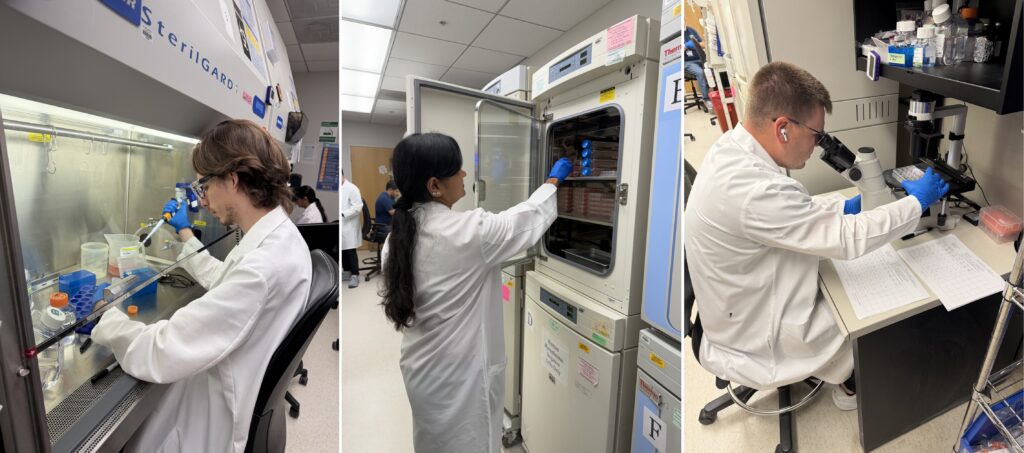
Then there’s genetic and chemical engineering, where Pilon-Thomas sees enormous potential. “The sky’s the limit now,” she said.
Obsidian Therapeutics has engineered TIL with their own built-in growth factor, IL-15, which can be switched on and off with a common altitude sickness drug. Iovance, KSQ Therapeutics, and others are using gene editing to cut the brakes, such as the PD-1 immune checkpoint, that hold T cells back.
Engineering could make treatment gentler, too. Today, the harsh chemotherapy given before infusion and the high-dose IL-2 given after it limit TIL to patients healthy enough to withstand them. Many heavily pretreated patients already have bone marrow damage from earlier therapies, which can rule them out. “The intensity of the treatments given before and during TIL therapy really narrows the pool of patients who are eligible for treatment,” Pilon-Thomas said. T cells that fuel their own growth could reduce the need for high-dose IL-2, and perhaps chemotherapy, opening TIL therapy to many more patients.
TIL will likely work best when it’s coordinating with other immune cells. “We’re not going to cure cancer without T cells, but T cells by themselves are not enough,” Lotze said. “You need dendritic cells.”
Dendritic cells act as the immune system’s scouts and instructors, capturing tumor fragments and presenting them to T cells to activate and sustain them. To bring them into play, some researchers are pairing TIL with cancer vaccines, including mRNA vaccines, while others are exploring ways to boost dendritic cells directly, such as with a growth factor called Flt3 ligand. Checkpoint inhibitors, which release the brakes on T cells, are also being combined with TIL. “We will definitely need combinations,” Lotze said, noting that the body fights disease with a highly diverse set of immune troops, all orchestrated together.
Beyond melanoma.
For decades, melanoma has been the proving ground for TIL and many other immunotherapies. Now, the field is setting its sights on the most prevalent cancers, with the aim of helping far more people.
Lotze is betting on lung cancer to break through first, pointing to the clinical data already emerging there. Gastrointestinal cancers, long resistant to immunotherapy, are showing promise too: at the NCI, TIL combined with checkpoint immunotherapy shrank tumors in about a quarter of patients with microsatellite-stable (MSS) gastrointestinal cancers.
This study also provided evidence that TIL therapy can work in hard-to-treat cancers with relatively few mutations, such as pancreatic cancer. That convinces him the approach could one day help nearly every cancer in adults, with glioma and sarcoma the likely exceptions.
The reason, he explained, is that nearly all adult cancers arise in the setting of chronic inflammation, except for gliomas and sarcomas. Because they are mainly driven by oncogenic changes, they behave more like childhood cancers, which tend to have few T cells within the tumor.
Pilon-Thomas also sees momentum building, especially in cancers that, like melanoma, carry many mutations, giving T cells more tumor-specific targets to lock onto. Those wins are already starting to happen. “Results are already being seen in lung, head and neck, colorectal, and bladder cancers,” she said. At Moffitt, researchers are even testing TIL delivered directly into the bladder, in a phase 1 trial bringing the therapy to patients with early-stage disease.

Responses outside melanoma are less frequent, and most studies are still small. But for Lotze, melanoma was always only the start. “From the beginning, we have really wanted to do more for all patients with cancer,” he said.
Getting TIL to more patients.
Turning that promise into reality will take work. Today, TIL is still largely handcrafted. Technicians manually grow each patient’s cells in specialized clean rooms. Pilon-Thomas said manufacturing needs to become faster and more automated, with cells grown in sealed systems that protect them from contamination. Cells that work at lower doses would make production even quicker and cheaper.
Progress will also require significant funding, and both usual sources are under strain. Private investment has cooled, and Lotze said the number of companies developing TIL has dropped significantly. Federal support is scarce, too. With the NCI now funding only about 4% of grant applications, “we are absolutely dependent on philanthropic funding,” he said.
That’s where ACGT comes in.
Lotze, who chairs ACGT’s Scientific Advisory Council, sees the organization’s role today much as it was in the early days of CAR T-cell therapy 25 years ago: “to keep the science alive” while the field pursues more complex engineering strategies. He sees particular value in supporting academic labs and early-stage biotech companies trying to survive a difficult funding environment.
Pilon-Thomas agreed that ACGT’s support is critical. “If I want to find out whether IL-2 is really necessary, or to test a new lymphodepletion regimen, that’s not necessarily something the federal government is going to fund,” she said. “Organizations like ACGT have provided that type of funding to optimize these therapies and get them into patients.” TIL has long been confined to melanoma, she added, and organizations like ACGT help expand its use into other tumor types.
ACGT has funded multiple research projects using TIL to treat cancers such as melanoma and kidney cancer. ACGT Research Fellow Amer Zureikat, MD, FACS, of the University of Pittsburgh, has used ACGT funding to explore expanding gamma delta T cells as a possible TIL therapy for pancreatic cancer. ACGT’s 2026 Investigator Award for solid tumors specifically invites proposals for TIL therapies enhanced through genetic modification or other optimization methods.
ACGT’s support also extends beyond grants. “What ACGT does best,” Pilon-Thomas said, “is bringing cell and gene therapy experts together, at events like the annual ACGT Summit, to brainstorm how to move the field forward and overcome its challenges. As Lotze put it, ACGT brings “the firepower, the really good scientists.”
TIL began as one of the first cell therapies for cancer. Four decades later, it has shown that a patient’s own T cells can control even widespread solid tumors, sometimes for decades.
Earlier treatment, smarter cell selection, engineered cells, and gentler regimens now aim to extend that to more patients and more cancers. This original cell therapy may yet be the one that brings cell therapy’s promise to the cancers that claim the most lives.
Disclosure: Lotze currently serves on KSQ’s advisory board and previously served as the Chief Scientific Officer at Iovance and Chief Cell Therapy Officer at Nurix Therapeutics. Pilon-Thomas has served as a scientific advisor to KSQ and has disclosed consulting and research relationships with both KSQ and Iovance, including involvement in Moffitt intellectual property licensed to Iovance.


