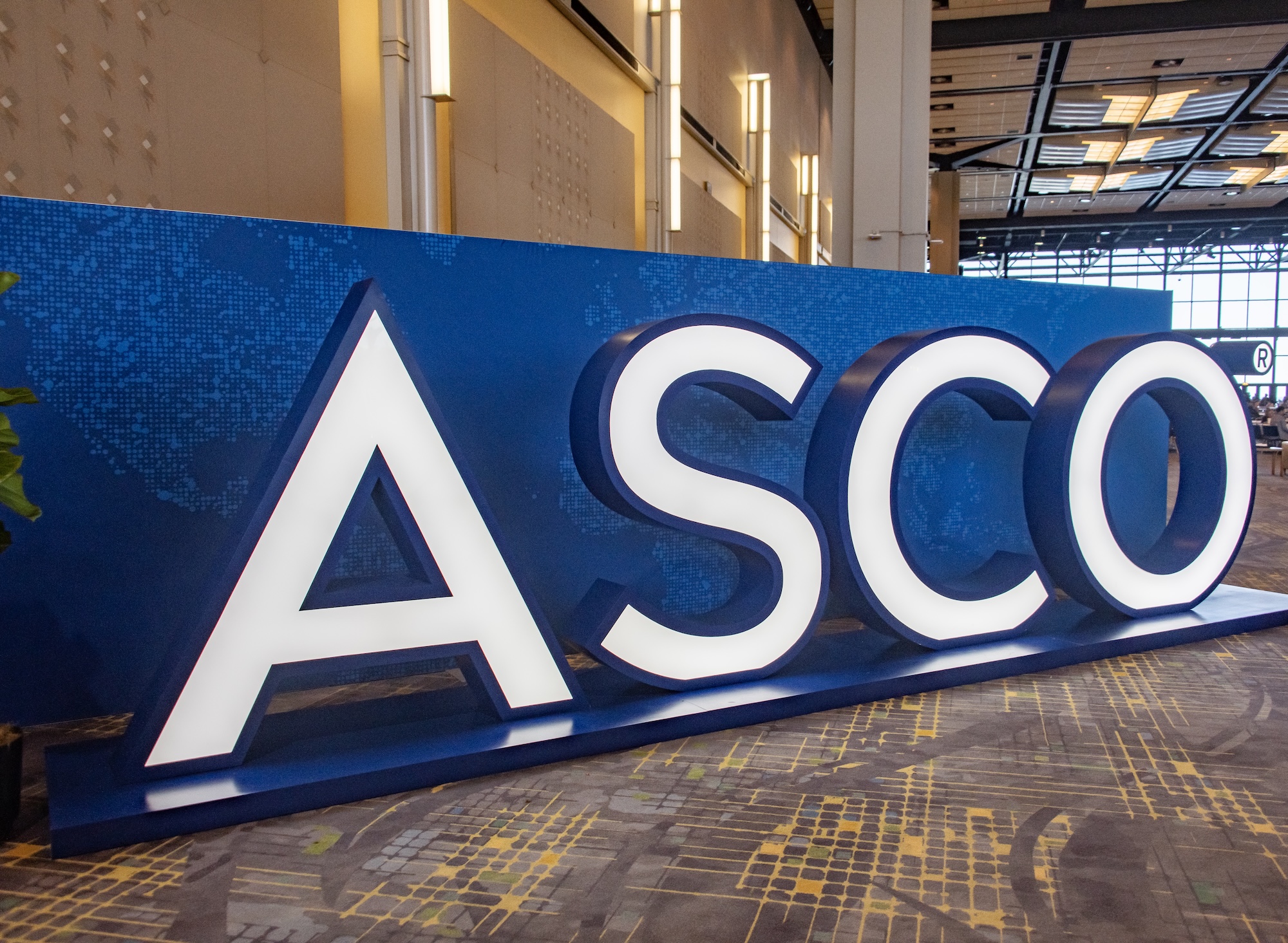
The 2026 American Society of Clinical Oncology (ASCO) Annual Meeting delivered encouraging news for patients facing some of the most difficult-to-treat cancers. From a potentially practice-changing breakthrough in pancreatic cancer to promising advances in glioblastoma immunotherapy and next-generation CAR T-cell therapies, the meeting highlighted the extraordinary pace of innovation occurring across oncology, and how Alliance for Cancer Gene Therapy (ACGT) scientists are contributing to the progress.
Perhaps most importantly, many of the advances presented at ASCO reflect a common theme: transformational breakthroughs are often built on years and even decades of investment in bold scientific ideas.
A Landmark Advance for Pancreatic Cancer
The biggest headline from ASCO 2026 came from pancreatic cancer, a disease that has long resisted meaningful therapeutic progress.
Researchers reported that the investigational RAS(ON) multi-selective inhibitor daraxonrasib nearly doubled overall survival in patients with previously treated metastatic pancreatic ductal adenocarcinoma (PDAC) harboring KRAS mutations, one of the major drivers of the disease. In the phase III RASolute 302 trial, half of the patients who received daraxonrasib survived at least 13.2 months compared to 6.7 months for those who received chemotherapy.
The findings, which were presented during ASCO’s prestigious plenary session and simultaneously published in the New England Journal of Medicine, generated tremendous excitement among attendees and prompted a rare standing ovation from the audience after the talk by Brian M. Wolpin, MD, MPH, who led the study.
“It is exciting to see that we may soon be able to help patients with metastatic pancreatic cancer in ways we haven’t been able to before,” said Dr. Wolpin, Director of the Hale Family Center for Pancreatic Cancer Research at Dana-Farber Cancer Institute.
For patients diagnosed with metastatic pancreatic cancer—a disease with one of the lowest survival rates in oncology—the results represent one of the most significant advances in decades and provide renewed optimism that targeted therapies can finally begin changing the trajectory of this devastating disease.
The overwhelming reception was more than recognition of a successful clinical trial. It reflected something larger: a growing sense that scientific breakthroughs are beginning to emerge across some of cancer’s most difficult frontiers.
That same spirit of optimism was evident throughout ASCO 2026 as researchers unveiled promising advances in hard-to-treat brain cancer, personalized cancer vaccines, CAR T-cell therapies, and next-generation gene delivery technologies.
Personalized Cancer Vaccines Gain Momentum
One of the most exciting themes emerging from ASCO 2026 was the continued success of personalized cancer vaccines, therapies designed specifically around the unique mutations found within an individual patient’s tumor.
Researchers from NYU Langone Health and the Perlmutter Cancer Center presented five-year follow-up data from the phase 2b KEYNOTE-942 trial evaluating intismeran, an individualized mRNA cancer vaccine, in combination with pembrolizumab (Keytruda) for patients with high-risk melanoma following surgery.
The results were striking.
The combination reduced the risk of melanoma recurrence by 49%, and the risk of distant metastases by 59%, compared with pembrolizumab alone. The findings represent one of the longest follow-up periods reported for a personalized cancer vaccine and provide compelling evidence that individualized immunotherapies can generate durable clinical benefits.
Intismeran is created using genetic information from each patient’s tumor, allowing researchers to design a vaccine that teaches the immune system to recognize and attack cancer cells carrying those specific mutations.
For the broader field of cancer immunotherapy, these results provide powerful validation that personalized vaccine technologies are moving from promising concepts to clinically meaningful therapies.
Personalized Vaccines Show Promise in Glioblastoma
ASCO 2026 also featured encouraging developments in glioblastoma (GBM), the most aggressive and common malignant brain tumor in adults.
Despite decades of research, glioblastoma remains notoriously difficult to treat. Standard therapies including surgery, radiation, and chemotherapy have produced only modest improvements in survival, making innovative immunotherapy approaches a critical area of investigation.
One of the most promising presentations came from investigators at Dana-Farber Cancer Institute, Harvard Medical School, and collaborating institutions evaluating NeoVax, a personalized neoantigen vaccine, in combination with pembrolizumab in patients with newly diagnosed glioblastoma.
Like intismeran, NeoVax is personalized using mutations unique to each patient’s cancer, training the immune system to recognize and attack cancer cells with extraordinary precision.
The phase I study produced compelling results. Half of the patients with MGMT-methylated tumors survived at least 36.9 months, whereas half of the patients with unmethylated tumors survived at least 19.0 months. Both results exceeded historical benchmarks.
Researchers also demonstrated robust neoantigen-specific T-cell responses, suggesting that personalized vaccines may help overcome glioblastoma’s notorious ability to evade immune detection.
Together, the melanoma and glioblastoma vaccine studies provide additional evidence that individualized immunotherapies could become an important component of future treatment strategies for solid tumors.
CAR T Cells Continue Expanding Beyond Blood Cancers
Another important advance came from investigators at the University of Pennsylvania, who presented updated results from a phase I clinical trial evaluating a dual-target CAR T-cell therapy for recurrent glioblastoma.
The study—led by Stephen Bagley, MD, MSCE, Donald O’Rourke, MD, and colleagues including ACGT Scientific Advisory Council member and Research Fellow Carl H. June, MD—utilized CAR T cells engineered to recognize both EGFR and IL13Rα2, two proteins commonly expressed by glioblastoma cells.
The encouraging results revealed that half of the patients survived at least 12 months. Importantly, investigators reported no evidence of delayed or long-term toxicities. These findings reinforce the potential of cell therapies to safely overcome the barriers that have historically limited success in solid tumors.
ACGT’s Longstanding Commitment to Glioblastoma Research
For us at ACGT, the advances reported in glioblastoma are particularly meaningful.
For more than 25 years, we have invested in visionary researchers pursuing innovative approaches to treat brain tumors and other difficult-to-treat cancers.
ACGT investigators developing new cell and gene therapies to treat brain cancers include Hideho Okada, MD, PhD; E. Antonio Chiocca, MD, PhD; Juan Fueyo, MD; Sheila Singh, MD, PhD; Stephen Gottschalk, MD; Crystal Mackall, MD. Collectively, their work has advanced, and continues to advance, CAR T-cell therapies and oncolytic viral therapies as well as our understanding of brain cancer immunobiology, ultimately helping to reshape what may be clinically possible for patients facing one of the deadliest forms of cancer.
The Rise of In Vivo CAR T-Cell Therapy
Beyond glioblastoma, ASCO 2026 highlighted rapid progress in the next generation of cell and gene therapies.
Kelonia Therapeutics presented updated results from its first-in-human phase I inMMyCAR study evaluating KLN-1010, an investigational in vivo CAR T-cell therapy targeting BCMA for patients with relapsed or refractory multiple myeloma.
Presented by Joy Ho, MBBS, DPhil, and colleagues, KLN-1010 represents a fundamentally different approach to CAR T-cell treatment. Rather than removing a patient’s immune cells for external manufacturing, the therapy delivers genetic instructions directly into the body, enabling T cells to become cancer-fighting CAR T cells in vivo.
Incredibly, all evaluable patients responded to the therapy and were minimal residual disease (MRD)-negative one month after treatment. Several patients continue to maintain deep responses beyond nine months.
If successful, in vivo CAR T technologies, which is also being explored by current ACGT investigator Sidi Chen, PhD, of Yale School of Medicine, could dramatically simplify treatment, reduce manufacturing barriers, and expand access to cellular therapies for patients around the world.
Building Better CAR T Cells for Solid Tumors
Researchers also presented several next-generation CAR T-cell platforms specifically designed to address the unique challenges posed by solid tumors.
Legend Biotech reported first-in-human clinical data for LB2102, a DLL3-targeted CAR-T cell therapy for patients with relapsed or refractory small cell lung cancer (SCLC) or large-cell neuroendocrine carcinoma (LCNEC), whereas investigators at NYU Langone’s Perlmutter Cancer Center presented work on a “logic-gated” CAR T-cell therapy designed to better distinguish cancer cells from healthy tissue by targeting tumors that express a cancer cell target called mesothelin. The trial is enrolling adults with unresectable locally advanced recurrent or metastatic solid tumors, including pancreatic, non-small cell lung, colorectal, ovarian, and mesothelioma cancers.
These advances reflect an important evolution in the field. The goal is no longer simply to make CAR T cells work, but to make them smarter, safer, and more effective against a broader range of cancers.
Turning Discovery into Cure
The advances presented at ASCO 2026 share a common lesson: bold scientific ideas can change the future of cancer care.
Whether it is a KRAS-targeting therapy for pancreatic cancer, a personalized vaccine for glioblastoma, or next-generation CAR T-cell therapies capable of targeting solid tumors, today’s breakthroughs are built upon years of scientific investment and translational research.
At Alliance for Cancer Gene Therapy, we believe the most promising ideas deserve the opportunity to reach patients.
As ACGT celebrates its 25th anniversary, the progress showcased at ASCO 2026 serves as a powerful reminder that today’s experimental therapies can become tomorrow’s standard of care.
Throughout our history, ACGT has helped bridge the gap between discovery and patient impact by funding innovative scientists at critical moments in their research journey. The breakthroughs highlighted at ASCO 2026 reinforce the importance of that mission.
The future of cancer treatment is being written now, and thanks to visionary researchers, courageous patients, and dedicated supporters, that future has never looked more promising.


