Sarcomas are a diverse group of relatively rare cancers that arise from the body’s connective and supporting tissues: bone, cartilage, fat, muscle, blood vessels, nerves, and other soft tissues. With an estimated 20,000 new cases diagnosed in the United States each year, sarcomas account for only about one percent of all cancers but represent roughly 15 percent of cancers in children. Broadly divided into sarcomas of the bone and soft tissue sarcomas, sarcomas collectively encompass more than 100 distinct subtypes, each with their own biology and prognosis. This complicated classification is part of what has made progress against sarcomas so challenging.
Cell therapies have transformed the treatment of blood cancers but extending that success to sarcoma and other solid tumors, which account for the vast majority of cancer cases and deaths, has proven far more difficult. Cell therapies often rely on re-engineering a patient’s own T cells to recognize and attack cancer, either by equipping them with a synthetic chimeric antigen receptor (CAR) or with an engineered version of the cell’s natural T-cell receptor (TCR).
Fortunately, this latter approach has borne fruit recently in sarcoma.
In August 2024, the U.S. Food and Drug Administration (FDA) granted accelerated approval to afamitresgene autoleucel (Tecelra), an engineered TCR T-cell therapy targeting the MAGE-A4 protein, for adults with advanced synovial sarcoma. This made it the first engineered T-cell therapy ever approved for a solid tumor. In June 2026, the agency converted that decision to full approval and expanded the indication to include children as young as 12.
These approvals represent real progress, but this new approach still reaches only a small subset of sarcoma patients, and significant scientific challenges remain before cell therapies can benefit many more.
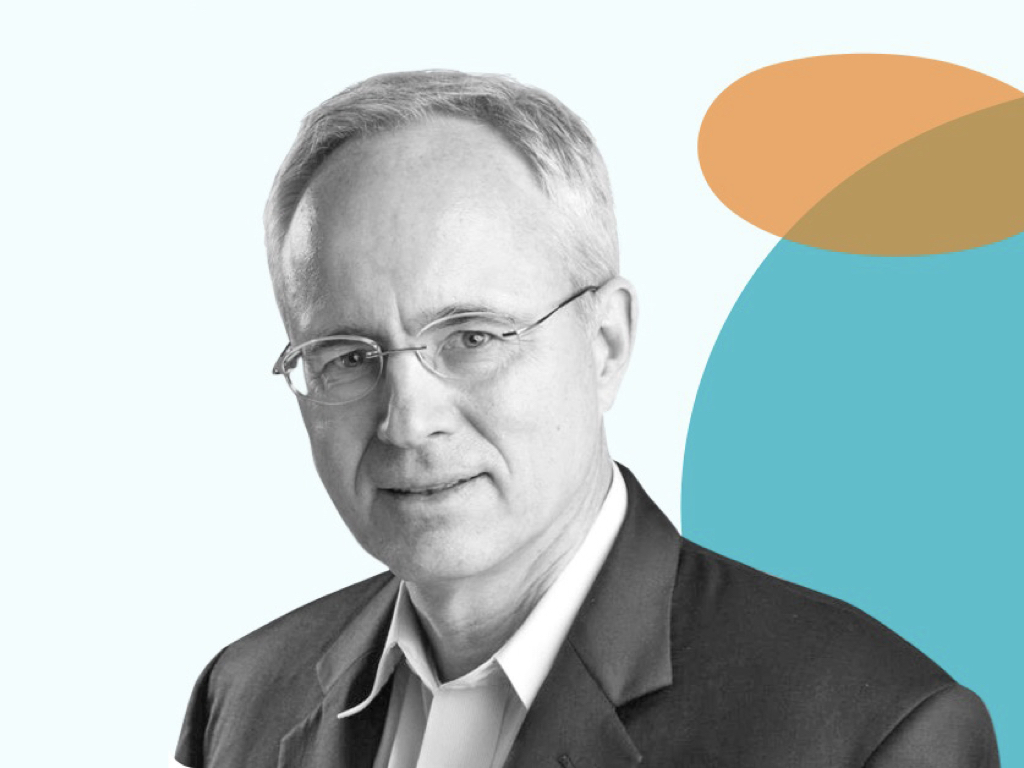
To better understand where the field of cell therapy in sarcoma stands today and what the future may hold, we spoke with Stephen Gottschalk, MD, a longtime Alliance for Cancer Gene Therapy (ACGT) grantee and Scientific Advisory Council member, who currently serves as the Chair of the Department of Bone Marrow Transplantation & Cellular Therapy, the Co-Director of the Center of Excellence for Pediatric Immuno-Oncology, and Endowed Chair in Bone Marrow Transplantation & Cellular Therapy at St. Jude Children’s Research Hospital.

Sarcomas make up only about 1% of cancer cases in the United States, but the disease has dozens of distinct subtypes. For someone outside of medicine, can you explain why the combination of that rarity and variety makes sarcomas uniquely difficult to diagnose and treat?
The biggest problem is that sarcomas are rare, and with any rare cancer it can be difficult to come up with the best way to diagnose and then treat the patients. There are not many sarcoma cases to learn from, and the cancer centers with significant expertise in treating particular sarcomas are few and far between, which delay obtaining the correct diagnosis. Fortunately, sarcoma tumors typically grow much more slowly than other cancers, like leukemia. In many cases, you have some time, and it is probably more critical to get the diagnosis right rather than to try treatment early, because the patient might not receive the right therapy if the diagnosis is not 100 percent correct.
How much overlap is there between sarcoma cases in adults versus in children? In blood cancers, the same CAR T-cell treatments are effective in both children and adults; can we expect the same to be true for sarcoma?
Adult and pediatric sarcomas share the same common tissue origin. However, as for other cancers, there are differences. Pediatric sarcomas are dominated by sarcomas of the bone (osteosarcoma and Ewing sarcoma), and sarcoma of the muscle (rhabdomyosarcoma). These are rare in adults, who are more likely to develop sarcomas of the body’s fat cells (liposarcoma), sarcomas of smooth muscle cells (leiomyosarcoma), and undifferentiated pleomorphic sarcoma, which cannot be traced back to a specific cell type. Pediatric sarcomas tend to have a specific fusion gene or genomic alteration, whereas adult sarcoma generally have more complex genetic abnormalities. Despite these differences, the overall therapy approach to pediatric sarcomas is similar, consisting of surgery, radiation, and/or chemotherapy. However, in general pediatric sarcomas are generally more sensitive to chemotherapy than adult sarcomas.
Having said this, there are immunotherapies for which we have reason to believe that the same treatments can benefit both adults and children who have the same types of sarcoma. For example, last month, the FDA announced that it would expand its previous approval of a cell therapy, previously limited to adults with synovial sarcoma, to now include children 12 years and older, too. Fortunately, that provides even more evidence to support that conclusion.
Absolutely. Before we dig into that latest approval, I want to address cell therapies in solid tumors in general. Compared to blood cancers, what makes solid tumors like sarcomas more difficult to treat with cell therapies?
While there are many different nuances to the challenges facing T-cell therapies in solid cancers, the biggest problems can be divided into three main categories.
The first are the targets—also known as antigens—that we design the T cells to recognize and attack. In leukemia and lymphoma, the currently approved CAR T-cell therapies target a protein called CD19, which is expressed at high levels on nearly all leukemia and lymphoma cells. In solid tumors, there is no single target like that, so we are targeting antigens that are expressed at lower levels and usually not by all cancer cells in a tumor. Sarcomas, in particular, usually have relatively few mutations, which further complicates the situation further. Therefore, I believe we will likely need to target multiple antigens to make T-cell therapies more effective against solid cancers.
The second challenge relates to where those solid tumors form. Leukemia is a cancer that arises from immune cells and occurs in the blood and other tissues where immune cells are naturally found. So, when we infuse therapeutic T cells, it is easier for them to access the tissues and areas where the cancer cells are, so they can eliminate them more effectively. However, solid tumors occur in other tissues that are not as easily accessible. Sarcomas, in particular, occur in bone, muscle, and fatty tissues, and immune cells do not readily traffic to or home to these tumor sites, so the delivery of therapeutic T cells to solid cancers is much less efficient.
The third challenge is that once therapeutic T cells arrive at the sites of solid tumors, they must contend with the tumor microenvironment. Tumors, which we think of almost as rogue organs, consist not only of malignant tumor cells, but also a variety of other non-malignant cells that are often manipulated by cancer cells to support the tumor’s survival. This non-malignant portion of the tumor is called the tumor stroma.
In general, these are the three primary challenges we face in using cell therapies to treat solid tumors: low and heterogeneous antigen expression; limited homing to solid tumor sites; and the hostile tumor microenvironment, which, in general, does not exist in leukemias.

Fortunately, as you alluded to earlier, there has been some recent progress in cell therapies for solid cancers, and specifically sarcoma. In 2024, the first engineered T-cell therapy for a solid cancer was approved for adults with synovial sarcoma, and in June 2026, the FDA expanded its approval of afamitresgene autoleucel (Tecelra) to include children 12 years and older with the disease. What did this approval and its expansion prove about the potential of cell therapy approaches in solid cancers? And what still remains to be proven and achieved?
First of all, it is definitely a significant milestone that there is now an engineered T-cell therapy available for a solid tumor, and it’s incredible that pediatric patients can now benefit, too. This expanded approval marks an exciting new chapter for pediatric sarcomas, establishing the first engineered T-cell therapy for any pediatric solid tumor to receive FDA approval, and hopefully paving the way for future cellular therapies in children.
Going back to the limitations of cell therapies in solid tumors, this new therapy differs from the CAR T-cell therapies approved for blood cancers in two important ways.
First, it targets MAGE-A4, a protein that is sometimes, but not always, expressed by synovial sarcoma tumors. This means that only some synovial sarcoma patients—those whose tumors express MAGE-A4—can receive the treatment. A second factor further narrows the potential pool of sarcoma patients who can receive this cell therapy. In contrast to the cell therapies approved for blood cancers, which use T cells modified with chimeric antigen receptors (CARs), this therapy uses T cells with engineered T-cell receptors (TCRs). Whereas CARs engage antigens directly on the surface of cancer cells, the engineered TCRs bind to protein fragments derived from the target in the context of human leukocyte antigen (HLA) molecules.
Your HLA type is almost like your tissue fingerprint. Your immune system uses it to figure out if a certain cell belongs to you or if it is something that does not belong in your body, which is why they are very important in bone marrow transplants. There are many HLA types in humans, but the engineered TCR T cells used in this therapy can only be used in patients who have a certain HLA type, known as HLA-A*02. The frequency of HLA-A*02 depends on your ethnic background. For example, the frequency is ~25% if your ancestors are from Europe, and ~12% if they are from Africa. Thus, only subsets of patients with synovial sarcoma will be able to receive this therapy, even if their sarcoma expresses the MAGE-A4 protein that the therapeutic T cells recognize.
Therefore, because of how these engineered TCR T cells bind cancer cells, significant work is still required to develop other engineered TCR T-cell therapies for cancer patients with other HLA types, and to make them more effective overall.
Creating the currently approved cell therapies, both the CAR T cells for blood cancers and the engineered TCR T cells for sarcoma, is also incredibly complex and costly. What challenges need to be overcome to allow more cancer patients to benefit from cell therapy treatments moving forward?
It’s a difficult question to answer. Multiple groups are trying to solve this problem of how to make these therapies, even the FDA-approved ones, more affordable. In my opinion, it makes sense to work out these issues with the FDA-approved products, which have a proven record of efficacy, and we can focus on how to make them cheaper and easier to produce.
In sarcoma, though, the number one challenge remains how to make cell therapies more effective. Beyond engineering better target specificity, I think there are several approaches that are not mutually exclusive.
One strategy is to either insert or delete genes in the engineered T cells to improve their activity and persistence. So, in addition to expressing a cancer-targeting receptor (CAR or TCR), we would modify the T cells to express cytokines or other molecules that enhance immune cell function, or, conversely, to avoid expressing molecules that negatively regulate immune activity. Beyond “armoring” the therapeutic T cells to better survive within the tumor microenvironment, these approaches also seek to engage the patient’s resident immune cells to help eliminate the tumor. We hope to start some of these clinical trials soon to evaluate genetic enhancements in CAR T cells for sarcoma.
Another approach is to determine how best to combine engineered T-cell therapies with other treatments, because if you look at the history of curative cancer strategies, it’s rarely a single treatment that works alone. There are a few examples, such as imatinib (Gleevec), a small molecule used for chronic lymphocytic leukemia (CLL) patients with a rare genetic anomaly, known as the Philadelphia chromosome.
After that approval, many people thought, ‘Oh, we are just going to make a few more small molecule inhibitors, and cancer is cured.’ But it didn’t work out. While there are some unique drugs that work very effectively as single agents, they are more the exception than the rule. Also, targeting a single pathway makes it relatively easy for cancers to become resistant to the drug, and that can occur even for drugs that are initially very effective, such as imatinib. Thus, as most cancer patients know, their treatment usually consists of multiple therapies, not just one.
Beyond targeting cancer cells directly, combination strategies can also target the features of tumor stroma that support the cancer’s survival, such as the abnormal blood vessels that nourish tumors or the cancer-associated fibroblasts that produce the molecules that make up the structure of the tumor stroma, which can act as a barrier for both cell therapies and anti-cancer drugs. In one of our previous ACGT grants, my team explored an approach that uses CAR T cells to directly disrupt these cancer-supporting fibroblasts.
Therefore, I think we need to develop rational combinatorial therapies in which we use a cell therapy along with a complementary therapy—whether chemotherapy, radiation, or another type of immunotherapy—in a way that sensitizes a particular tumor to immune-mediated elimination and gives the patient the best chance of becoming cancer-free. Of course, with all these combination approaches, many questions remain about the optimal ways to combine treatments in terms of timing and dosage.

What are your hopes and expectations for the next 5 years, as far as progress in sarcoma research and clinical care?
Beyond the strategies mentioned above, I am very excited about the possibility of further advances with our current cell therapy products, specifically using them to treat patients earlier in the course of their disease.
The best example of this potential has been seen in the use of CAR T cells targeting the GD2 protein in neuroblastoma. Early results suggest that CAR T cells can make a tremendous difference when given to patients with a lower burden of disease, where the cancer cells are not protected by an established tumor microenvironment and are easier to eradicate.
In the sarcoma field, too, we are now interested in taking some of the CAR T-cell products we already know are safe and moving them closer to upfront therapy. For context, with the cell therapy approval we discussed earlier, both adult and pediatric patients can receive the treatment only if their disease is unresectable or metastatic and they have previously received chemotherapy. Now, our thinking is that if, after consolidation therapy, patients with osteosarcoma have evidence of micrometastatic disease (small nodules) in their lungs, we would like to give them CAR T cells before the nodules grow larger and establish a hostile tumor microenvironment. We have already developed such a study, which has just opened for patient enrollment.
Lastly, I am very hopeful that advances in technology and in our oncology toolkit will improve our ability to diagnose, treat, and monitor patients with sarcoma. For example, DNA methylation techniques have revolutionized diagnosis and subclassification in many cancers, so I think that will be critical in sarcoma, where the dozens of diverse subtypes can make it hard to identify the appropriate course of care.
Liquid biopsies, or blood tests, may also prove valuable for measuring patient responses and for surveillance to detect early relapse. There is a great deal of exciting data from retrospective studies, but the big prospective studies are just about to start, so we can really see how we can use liquid biopsies to manage patients. Optimizing these for cell therapies would be critical.
And of course, there is the potential of artificial intelligence (AI). With the immense amount of information that laboratory and clinical studies generate today, data integration is a challenge, and my hope is that AI models can help us integrate diverse datasets to make novel connections, identify areas ripe for further exploration, and accelerate progress.
How important are organizations like ACGT in advancing groundbreaking research and novel medicines for patients, especially in the field of cell therapy?
ACGT plays an incredibly important role in enabling progress. At ACGT Summit 2026, Drs. Carl June and Michel Sadelain, the pioneers of CAR T-cell therapy, highlighted how ACGT funded their early CD19-CAR T-cell therapy studies when it was impossible to get funding from the National Institutes of Health (NIH). Without ACGT’s early and continued support, the field might not be where it is now.
Research funding, especially in the US, is much more difficult to obtain these days, and so the significance of ACGT’s role has only increased. I also speak from personal experience, as I have received multiple grants from ACGT, which have enabled me to pursue innovative, cutting-edge research, such as tumor stroma-targeting CAR T cells in sarcoma, that I otherwise might not have been able to explore.
In addition to ACGT’s very important role in providing funding, the organization also brings together scientists, clinicians, and industry experts to exchange information and ideas. Through the Summit and other events and initiatives, ACGT fosters a community of like-minded experts that is critical to advancing the field.
In the current environment, it is critical that organizations like ACGT continue to support and enable translational research aimed at turning discoveries from the lab into medicines that can help patients in the clinic. These efforts require a lot of work, and ACGT has played a tremendous role in advancing them, so we can really test them in patients to obtain valuable insights. We have to perform these clinical studies based on the best available current knowledge, learn from the clinical experience and laboratory studies conducted with study samples, and then make further improvements to inform the next clinical study. In my opinion, if we cannot complete these iterative cycles of translation and reverse translation, we will most likely not cure most cancers.


