Welcome to our January 2026 newsletter.
|
|
|
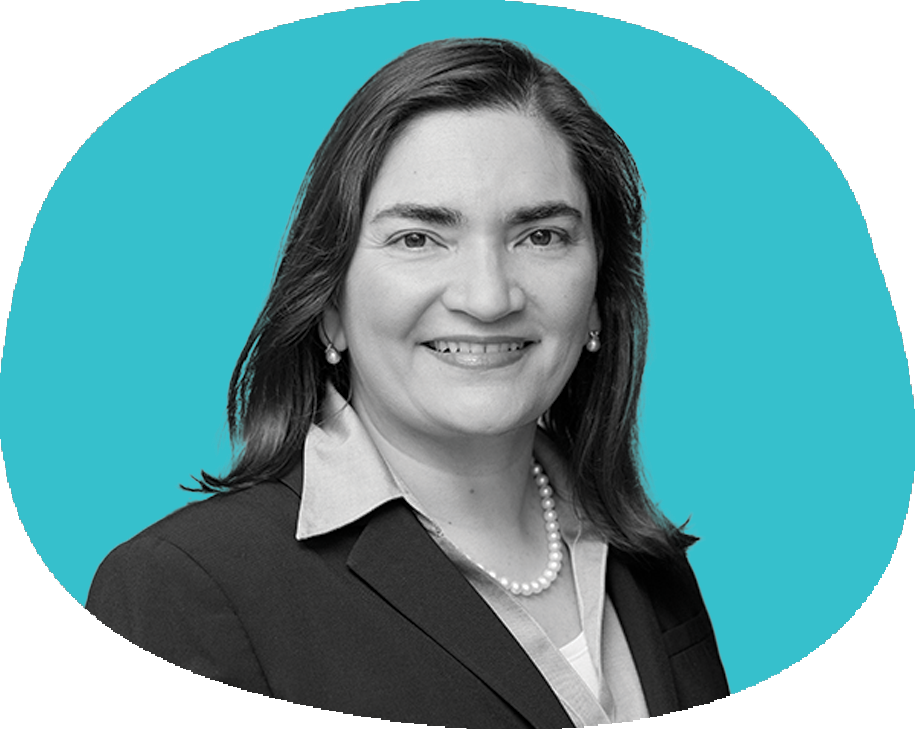
ACGT funds Marcela Maus, MD, PhD’s bold new pancreatic cancer study.
|
Over the last two decades, cell and gene therapy has revolutionized the cancer treatment landscape. But while CAR T-cell therapies in particular have been successfully used to treat blood cancers, the unique challenges presented by solid tumors have proven a barrier to the progress of these next-generation treatments.
Marcela Maus, MD, PhD (Massachusetts General Hospital), has consistently worked at the cutting edge of cell and gene therapy research throughout her career. Now, she’s turned her attention to pancreatic cancer, leading bold new research to leverage genetic engineering technology to break down these barriers to immunotherapy treatment.
Dr. Maus has recently received ACGT funding for her research, which will explore how a CRISPR screening approach can identify additional changes that can be engineered in CAR T cells to make them more effective in solid tumors.
Read more about Dr. Maus’ research.
|
|
|
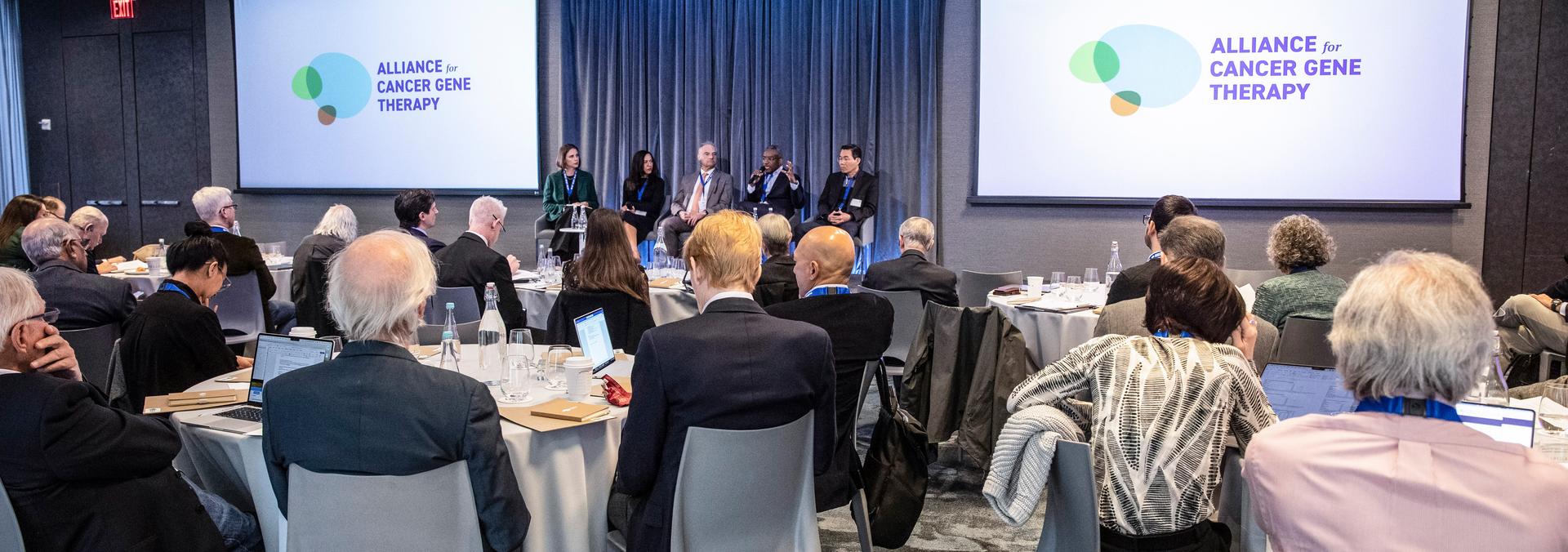
2025: A banner year for ACGT.
|
As 2025 draws to a close and a new year full of progress and promise begins, ACGT is looking back at some of the highlights of 2025 – a year striving toward a cancer-free future.
|
Read more about our successful year in ACGT’s 2025 Impact Report.
|
|
|
ACGT attends SITC 2025 Annual Meeting, hosts Lunch Symposium.
|
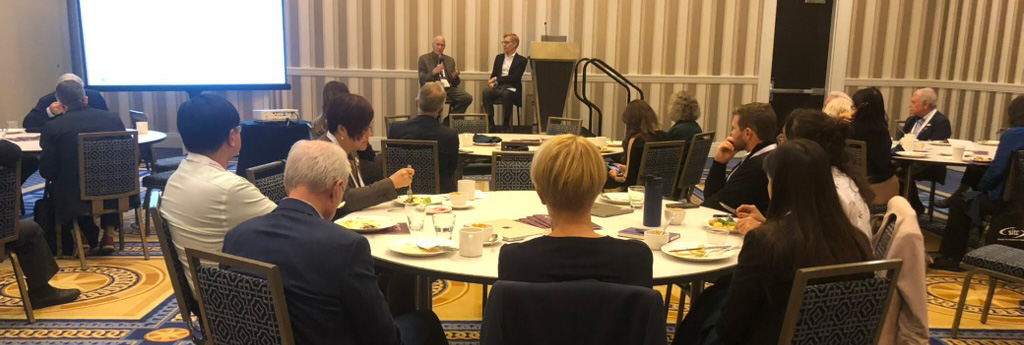
In November, ACGT had a strong presence at this year’s Society for Immunotherapy of Cancer (SITC) 2025 Annual Meeting in National Harbor, Maryland, hosting a lunch symposium that brought together leading experts in cancer cell and gene therapy to connect and share insights.
The ACGT Lunch Symposium included a fireside chat with cell and gene therapy world leader and ACGT SAC member, Carl H. June, MD (University of Pennsylvania), moderated by ACGT Board of Directors member Marc Engelsgjerd, MD (Royalty Pharma), in which Dr. June shared his perspective on his groundbreaking career, the current state of the field, and future directions for cell and gene therapy.
In addition, symposium attendees enjoyed a presentation by Stephen Gottschalk, MD, and Giedre Krensciute, PhD (St. Jude Children’s Research Hospital) highlighting progress of the ACGT-funded STAR collaboration (Synthetic T-cell therapy against recurrent pediatric brain tumors), which was also honored by SITC with the 2025 Collaboration Award.
Several other ACGT SAC members received official SITC honors including Ira Mellman, PhD (Parker Institute for Cancer Immunotherapy and Medici Therapeutics), who received the prestigious Richard V. Smalley, MD Memorial Award and Lectureship, the highest award at SITC, recognizing his pioneering work in cancer immunology.
Read more here.
|
Investing in tomorrow’s cures: your ACGT impact continues in 2026.
|
Whether you supported ACGT in 2025 or are looking for a new opportunity to join the fight, the new year presents powerful, tax-smart ways to invest in a cure:
Making Your Cash Gift Count. Donate Today.
For the first time in the new tax environment, every donor can benefit, including non-itemizers:
If you are one of the many Americans who takes the standard deduction, new tax laws allow you to claim an “above-the-line” deduction for up to $1,000 (or $2,000 for joint filers) on cash gifts made directly to qualifying charitable organizations.
Fueling Breakthroughs with Your Donor Advised Fund (DAF).
For our stakeholders who funded a DAF in 2025—a decision that secured your tax deduction last year—now is the ideal time to make your impact count. A simple distribution request from your DAF to ACGT is a powerful and efficient way to transfer critical funds to ACGT Research Fellows who are developing new cell and gene therapies that have the potential to save lives. To designate Alliance for Cancer Gene Therapy as one of your ongoing beneficiaries, our tax ID number is 06-1619523.
Every day is an opportunity to fund new possibilities. Support ACGT today to sustain our momentum and accelerate our progress toward a cancer-free future.
|
Cell and gene therapy breaks new ground in solid tumors in 2025.
|
During 2025, cancer cell and gene therapy made meaningful progress toward one of oncology’s most urgent unmet needs: effective treatments for solid tumor cancers.
This momentum closely reflects ACGT’s mission to accelerate innovative, early-stage research that can translate into life-saving therapies for patients
Researchers advanced next-generation genetically engineered cell therapies designed to overcome the biological barriers unique to solid tumors. Rather than relying on single targets, new approaches incorporate logic-gated recognition, dual targeting, and precise gene editing to improve tumor specificity, persistence, and safety. These strategies directly address the challenges that have limited prior efforts in cancers such as pancreatic, ovarian, breast and brain tumors.
Gene-editing technologies also progressed in 2025, enabling highly precise genetic modifications that strengthen immune cells against suppressive tumor microenvironments.
In vivo CAR-T approaches entered early clinical testing in 2025, marking an important translational milestone for the field. These first-in-human studies are designed primarily to evaluate safety, feasibility and immune cell targeting rather than efficacy – however, the early signs of efficacy are compelling.
Clinical in vivo programs use gene delivery systems—such as viral or non-viral vectors—to induce CAR expression directly in a patient’s immune cells, eliminating the need for ex vivo cell manufacturing.
At the same time, innovations in traditional ex vivo manufacturing continue to shorten production timelines – critical for patients who have no time to wait.
At the end of 2025, early translational and clinical signals suggest that cell and gene therapies for solid tumors are making significant progress. ACGT’s continued investment in bold, investigator-initiated research remains essential to sustaining this progress and bringing transformative therapies closer to patients who urgently need new options.
|
|
|
The latest on cancer cell and gene therapy from around the world.
|
|
|
|